Introduction
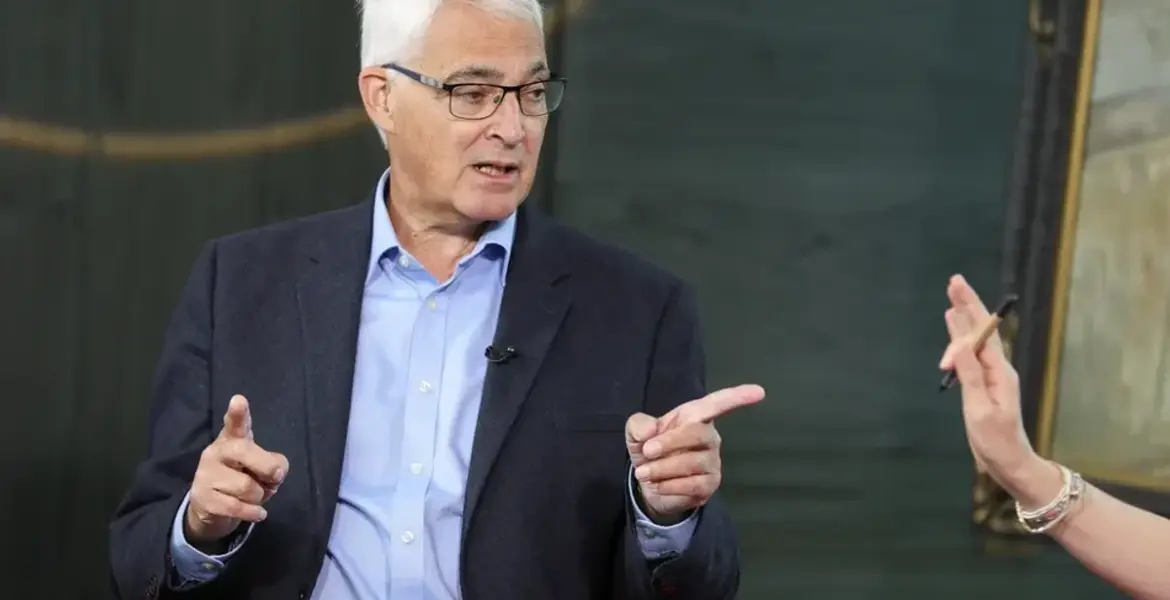
Alistair Darling, a prominent figure in UK politics, has made significant contributions to the sphere during his years of public service. As a key Labour Party member, he served in numerous critical roles, including Chancellor of the Exchequer. Darling’s work during pivotal moments, particularly the financial crisis of 2008, showcases his impact and relevance in contemporary discussions about economic policy and governance.
Political Career Highlights
Darling was born on November 28, 1953, in London and was educated at the University of Edinburgh. His political journey began in 1987 when he was elected as the Member of Parliament for Edinburgh South West. Throughout his career, he has held various governmental positions, including Secretary of State for Transport and Secretary of State for Scotland.
Darling’s most notable tenure came during his time as Chancellor of the Exchequer from 2007 to 2010. Following the banking collapse, he introduced several measures to stabilise the economy, including the £500 billion bank rescue package, which helped to prevent a complete financial meltdown. His actions during this crisis have been widely praised, although they also incurred criticism from certain factions, illustrating the complexities of fiscal policy responses to economic turmoil.
Post-Political Life and Current Relevance
After leaving Parliament in 2015, Darling has remained a significant voice in economic discussions and policy shaping. He chairs the Better Together campaign, advocating for the union during the Scottish independence referendum, and frequently contributes to discussions on Brexit and its implications for the UK economy. His extensive experience in financial stewardship positions him as a valuable commentator on current economic challenges, including inflation and public spending priorities.
Conclusion
Alistair Darling’s political legacy illustrates a commitment to navigating complex economic issues and provides insights into governance that remain relevant today. As the UK faces new economic challenges, including post-Brexit ramifications and the ongoing impact of global economic shifts, Darling’s experiences and policies will continue to inform discussions among policymakers and the public alike. His career not only highlights the intricacies of managing a country’s finances but also the importance of strong leadership in turbulent times.
You may also like