Introduction
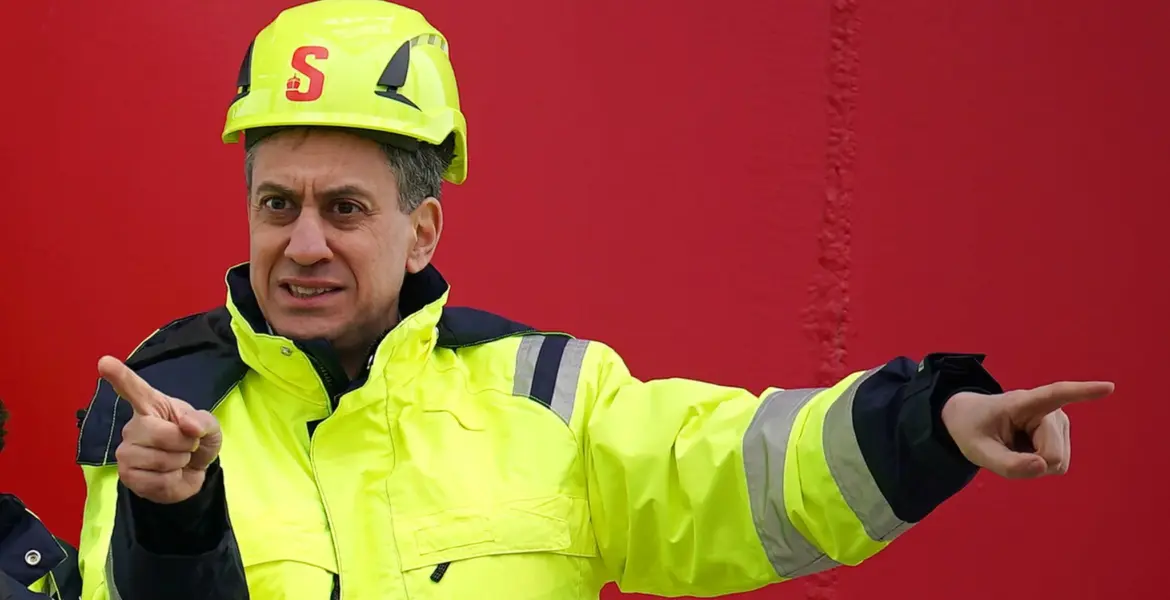
Ed Miliband, former leader of the UK Labour Party, remains a pivotal figure in British politics. As the country navigates economic challenges and the shifting political landscape, Miliband’s perspectives and policies are once again coming into the spotlight. His journey from a prominent opposition leader to a voice in sustainability and climate policy highlights his continued relevance in contemporary discourse.
Career Overview
Ed Miliband was born on December 24, 1969, and served as the leader of the Labour Party from 2010 to 2015. He became an MP in 2005, representing Doncaster North. His leadership was marked by an attempt to reconnect the party with its traditional base after a period of electoral decline. Key moments of his leadership included addressing issues of economic inequality, proposing a more progressive tax system, and emphasising environmental sustainability.
Recent Developments
More recently, Miliband has shifted focus to tackling climate change and the green economy. As part of his role as the Shadow Business and Energy Secretary, he has been vocal about the need for robust government action against climate change, especially in light of the UK hosting the COP26 climate summit in 2021. Together with his party, Miliband has advocated for a green transition that aims to create jobs while ensuring a sustainable future.
In the run-up to the next general election, Ed Miliband has been increasingly active in the media, sharing his insights on the impact of the cost-of-living crisis and the importance of governmental accountability. His articulate commentary resonates with a public eager for practical solutions in turbulent times. Furthermore, his strong stance on energy policy has positioned him as a key player in discussions on the UK’s energy security and independence.
Conclusion
As the political landscape in the UK continues to evolve, Ed Miliband remains a significant figure shaping the discourse around key issues, particularly environmental policies and economic strategies. His ability to galvanise public opinion and articulate a vision for a sustainable future indicates that he may play a crucial role in the shaping of Labour’s policies in the coming years. With elections on the horizon, Miliband’s insights and proposals could influence not just party direction, but also the future of UK politics as a whole. His ongoing engagement with pressing issues reflects his enduring legacy in British politics.
You may also like