Introduction
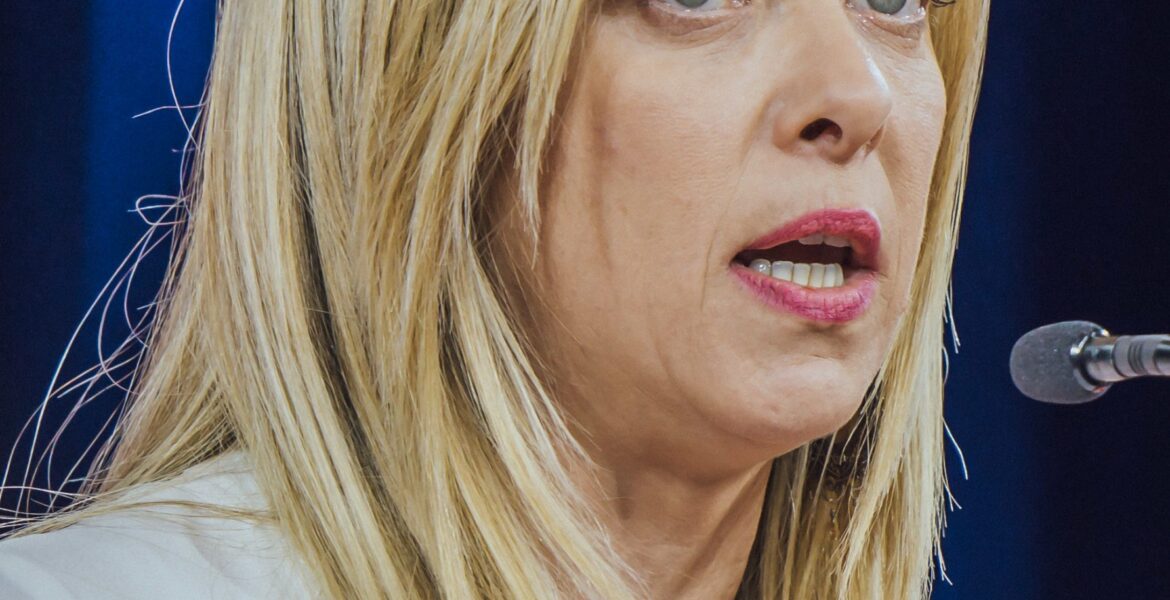
Giorgia Meloni, the leader of Italy’s right-wing Brothers of Italy party, has made headlines as she ascended to the position of Italy’s first female Prime Minister in October 2022. Her rise is not just a personal achievement but also reflects a significant shift in the Italian political landscape, resonating with a wave of nationalist sentiment across Europe. The implications of her leadership will be crucial in shaping Italy’s future and its role within the European Union.
A Closer Look at Her Background
Born on January 15, 1977, in Rome, Meloni began her political career at a young age. Initially involved with the Youth Front of the Italian Social Movement, her path included a stint as a youth minister in the Berlusconi government. Throughout her career, she has championed issues like border security, the national identity, and traditional family values. Her party, Brothers of Italy, has strong ties to Italy’s post-fascist movement, which has sparked both support and controversy.
The 2022 Election Victory
In the 2022 general elections, Meloni’s Brothers of Italy party surged in popularity, winning nearly 26% of the vote. This victory was notable as it marked the first time since World War II that a far-right party led a government in Italy. Meloni campaigned on a platform of economic reform, immigration control, and a call for a more assertive Italian identity. Her coalition with other right-wing parties allowed her to secure a strong majority in Parliament.
Policy Directions and Challenges Ahead
Since taking office, Meloni has faced various challenges, including rising inflation, energy crises due to the war in Ukraine, and Italy’s heavy public debt. She has proposed measures aimed at boosting the economy, such as tax cuts and support for struggling families. However, her hardline stance on immigration has attracted criticism from humanitarian groups and has raised concerns among EU partners regarding Italy’s obligations under international law.
Conclusion
Giorgia Meloni’s leadership is still in its early stages, but her impact on Italy and broader European politics is undeniable. As she navigates both domestic issues and international relations, her decisions will likely influence future elections not only in Italy but also across Europe. Observers are keenly watching how she balances her party’s nationalist agenda with the realities of governing in a complex and interconnected world. The trajectory of her policies will be significant for the Italian people and the EU’s political climate in the coming years.
You may also like