Introduction
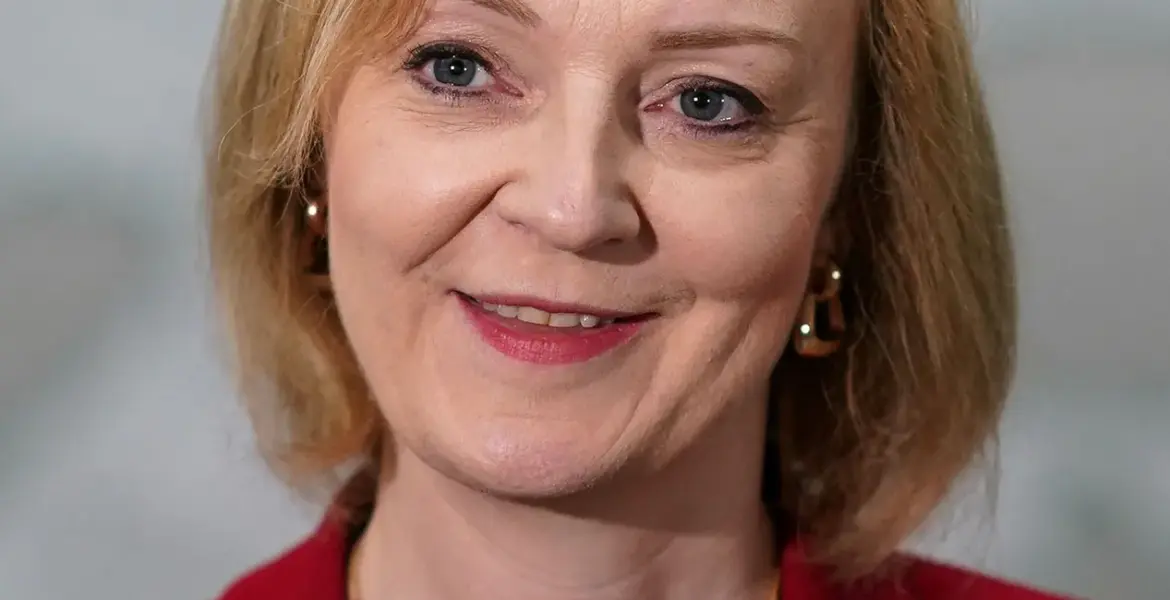
Liz Truss, the former Prime Minister of the United Kingdom, has been a significant figure in British politics. Her brief tenure at the helm of the UK government has sparked discussions and analysis on the implications of her policies and decisions. Understanding her political journey is vital not only to comprehend the current political landscape but also to gauge the potential direction of the Conservative Party and the UK’s governance.
Overview of Liz Truss’s Political Career
Born in 1975, Mary Elizabeth Truss began her political career as a member of the Conservative Party. She entered Parliament as the MP for South West Norfolk in 2010. Over the years, she held several key positions, including Secretary of State for International Trade and Minister for Women and Equalities. In September 2022, she became the UK’s third female Prime Minister, succeeding Boris Johnson amidst a significant political crisis.
Key Policies and Decisions
Truss’s tenure as Prime Minister was marked by her controversial economic policies, often referred to as “Trussonomics”. She advocated for tax cuts aimed at boosting growth but faced immediate backlash from various sectors, leading to instability in the financial markets. The “mini-budget” announced in September 2022, which included plans for unfunded tax cuts, led to a crisis in the British pound and ultimately resulted in her resignation after just 49 days in office, the shortest tenure for a UK Prime Minister.
Current Role and Future Prospects
Since stepping down, Liz Truss has remained engaged in political discussions and continues to be an influential voice within the Conservative Party. She has expressed a desire to stand for Parliament again and influence the party’s future direction on economic policies, championing free markets and the need for fiscal responsibility. Additionally, she has taken to public speaking engagements and written commentary on international trade and economic reform.
Conclusion
Liz Truss’s political career, though brief in the Prime Ministerial seat, has left an indelible mark on the UK’s political discourse. Her policies have sparked debates regarding the balance between economic growth and fiscal responsibility, a pivotal topic as the UK navigates post-pandemic recovery. The significance of her actions, both during her premiership and as she continues to contribute to political dialogue, reflects the ongoing evolution of Conservative politics and the larger challenges facing the UK. Observers will be watching closely to see how she influences future political narratives and policies as the country approaches future elections.
You may also like