Introduction
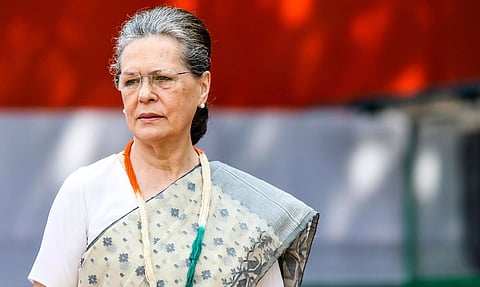
Sonia Gandhi, an influential figure in Indian politics, has played a crucial role in shaping the trajectory of the Indian National Congress (INC) and, consequently, the political landscape of India. As the longest-serving president of the INC, her leadership has sparked discussions regarding her contributions and challenges faced by the party, particularly in recent electoral battles.
Profile and Rise in Politics
Sonia Gandhi, born on December 9, 1946, in Italy, married former Prime Minister Rajiv Gandhi in 1968. Following Rajiv’s assassination in 1991, Sonia stepped into the political arena, initially hesitant but eventually leading the party. In 1998, she became the president of the INC, a position she held for nearly two decades. Under her stewardship, the INC returned to power in 2004, forming the United Progressive Alliance (UPA) and successfully governing until 2014.
Recent Developments
The INC has faced significant challenges, including declining electoral fortunes, especially in the 2014 and 2019 general elections when the party saw substantial losses to the Bharatiya Janata Party (BJP). The rise of opposition alliances, like the ‘Mahagathbandhan’ (Grand Alliance), has also been a critical factor. In response to these challenges, Sonia Gandhi returned as interim president in 2019 after Rahul Gandhi stepped down, showcasing her enduring influence on the party.
Amid ongoing political strife, Sonia has been actively involved in discussions on pivotal issues, including the handling of the COVID-19 pandemic, economic recovery, and social justice. These challenges have solidified her presence as a senior leader willing to address contemporary issues affecting citizens.
Conclusion
Sonia Gandhi’s role in Indian politics cannot be overstated. Her journey reflects the trials and tribulations of the INC in modern India. As the Congress party continues to grapple with electoral setbacks and seeks to redefine its narrative, Sonia’s guidance may be vital in forging a path forward. Experts predict that her experience and historical significance will be paramount in shaping the party’s strategies in the run-up to upcoming elections, especially as polarised electoral narratives emerge in contemporary Indian politics. Sonia Gandhi remains a pivotal figure, offering both a historical legacy and a potential framework for future political strategy.
You may also like