Introduction
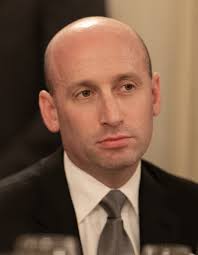
Stephen Miller, a prominent figure in American politics, has played a significant role in shaping contemporary conservative policies in the United States. Known for his staunch immigration stances and rivalry with mainstream political norms, Miller’s political journey is crucial for understanding the evolving landscape of the Republican Party and the impact of populism on US politics. His actions have continually sparked debate and controversy, attracting both support and criticism from various factions.
Early Career and Rise to Prominence
Miller began his political career as an intern in the office of Republican Senator Jeff Sessions and later worked as a communications director for Sessions. His early experiences in government laid a foundation for his future influence, particularly in shaping immigration policies. In 2016, Miller joined Donald Trump’s presidential campaign, where he quickly became one of the former president’s key advisors. His role in drafting the controversial travel ban executive order soon after Trump took office drew national headlines.
Key Policies and Controversies
Throughout his tenure in the Trump administration, Miller was pivotal in promoting hardline immigration policies. He advocated for measures such as the construction of the border wall and the implementation of the ‘zero tolerance’ policy that led to family separations at the U.S.-Mexico border. These policies were met with severe backlash and led to significant protests, highlighting the divisive nature of Miller’s approach.
Moreover, Miller has faced accusations of promoting white nationalist ideologies, stemming from his connections with various far-right groups. His critics argue that his policies disproportionately affect minority communities and undermine the values of inclusivity that define the nation. Events such as his testimony before Congress in 2019 showcased the wide range of opinions about his actions.
Post-Trump Era and Future Implications
Since leaving the White House, Miller has remained an influential figure in conservative circles and has continued to engage in public discourse regarding immigration and national security. His founding of the America First Legal Foundation signifies his ongoing commitment to promoting policies he believes will protect American interests. The foundation has already filed several lawsuits against the Biden administration over immigration regulations that it argues contradict Trump’s policies.
Conclusion
Stephen Miller’s career reflects the complexities of modern American politics, embodying the conflicts present within the Republican Party and the broader society. As debates over immigration, national identity, and populism persist, Miller’s influence serves as a lens through which to view these pivotal issues. Readers keen on understanding the current political climate can expect Miller to remain a significant player, especially as upcoming elections may revive debates over immigration policy and national security commitment.
You may also like