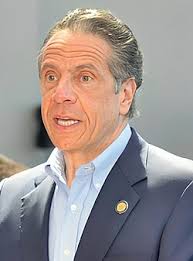
Introduction to Andrew Cuomo
Andrew Cuomo, the former governor of New York, has been a significant figure in American politics, particularly noted for his handling of the COVID-19 pandemic and facing numerous allegations of misconduct. His governance has sparked both admiration and criticism, and understanding his legacy is essential in evaluating contemporary political dynamics.
The Rise of Andrew Cuomo
Cuomo, born on December 6, 1957, in Queens, New York, comes from a prominent political family: his father, Mario Cuomo, served three terms as governor of New York. Andrew earned a law degree from Albany Law School and began his political career in the 1980s, working as an assistant district attorney before taking various political positions, including the Secretary of Housing and Urban Development under President Bill Clinton.
Cuomo was elected governor of New York in 2010, winning re-election in 2014 and 2018. During his tenure, he was praised for initiatives such as the minimum wage increase, marriage equality, and comprehensive gun control measures. However, his response to the COVID-19 pandemic in 2020 catapulted him into the national spotlight.
Controversies and Legal Issues
Despite his initial popularity, Cuomo’s administration faced scrutiny due to multiple scandals. Allegations of sexual harassment surfaced in early 2021, leading to an investigation by New York Attorney General Letitia James. In August 2021, after a report substantiated these claims, Cuomo announced his resignation, effective August 24, 2021. His decision followed mounting pressure from state officials and the public.
In addition to the harassment allegations, Cuomo is also under investigation for his administration’s handling of COVID-19 data related to nursing homes, which has raised questions about transparency and accountability. As of now, he has been charged with multiple counts, including sex-related misdemeanours, which have resulted in ongoing legal proceedings.
Conclusion: The Future of Andrew Cuomo
The legacy of Andrew Cuomo remains a topic of intense debate. His policies on health care, economic reform, and social issues have left a significant mark on New York State. However, the scandals involving his personal conduct and governance raise critical questions about the integrity of political leadership. As legal challenges continue, the implications of his downfall may affect his political dreams and legacy, presenting lessons for future leaders about accountability and transparency. Looking ahead, the impact of his tenure will undoubtedly influence the political landscape in New York and beyond.
You may also like