Introduction
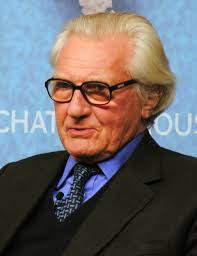
Michael Heseltine, a pivotal figure in British politics for several decades, has left an indelible mark on the Conservative Party and the UK political landscape. Known for his assertive policies and strong advocacy for urban regeneration, Heseltine’s career reflects significant transformations in both governance and public policy. As the UK navigates complex socio-economic challenges, understanding Heseltine’s influence becomes increasingly pertinent.
Career Overview
Born on March 21, 1933, Michael Heseltine began his political journey in the 1950s. He rose through the ranks of the Conservative Party, culminating in his appointment as a Member of Parliament in 1966. Indelibly marked by his tenure as Secretary of State for Defence in the early 1980s, Heseltine played a critical role during a transformative period in UK military policy. His commitment to urban regeneration was evident when he launched the ‘City Challenge’ programme in 1991, which aimed to revitalise derelict urban areas.
Influence in the 1990s
Heseltine’s influence peaked in the 1990s when he served as Deputy Prime Minister under John Major. During this time, he was known for championing economic initiatives that focused on fostering innovation and improving infrastructure. His backing of projects such as the Millennium Dome reflected his vision for Britain’s future, albeit amidst considerable criticism. Heseltine’s ability to advocate for comprehensive solutions to economic decline further solidified his status.
Recent Developments
In recent years, Heseltine has continued to be a relevant voice within British politics, particularly during discussions surrounding Brexit. He has expressed concerns about its long-term implications for the UK’s economy and international standing. Heseltine’s warnings reflect his unwavering commitment to Europe’s importance and the interconnectedness of global markets, which resonate profoundly with ongoing political debates.
Conclusion
Michael Heseltine’s political legacy is significant and multifaceted, characterised by his unyielding dedication to improving Britain both economically and socially. As the UK faces new challenges in the post-Brexit landscape, lessons from his career—particularly around urban regeneration and economic strategy—remain crucial. Heseltine’s ongoing commentary and insights continue to inform and influence policymakers, ensuring his presence remains felt in contemporary British politics.
You may also like