Introduction
Bryan Cranston, best known for his transformative role as Walter White in the critically acclaimed series “Breaking Bad,” has become one of the most respected actors in Hollywood. His journey from a humble beginning in sitcoms to a dominant force in drama highlights not only his versatility but also the changing landscape of television and film. This article delves into Cranston’s career and its relevance in today’s entertainment industry.
Early Career and Breakthrough
Cranston began his career in the late 1980s with guest spots on various television shows, but it was his role as Hal, the bumbling yet lovable father in “Malcolm in the Middle,” that marked his breakout moment. The show, which aired from 2000 to 2006, showcased Cranston’s talent for combining comedy with relatable family dynamics, earning him multiple award nominations.
Rise to Fame with Breaking Bad
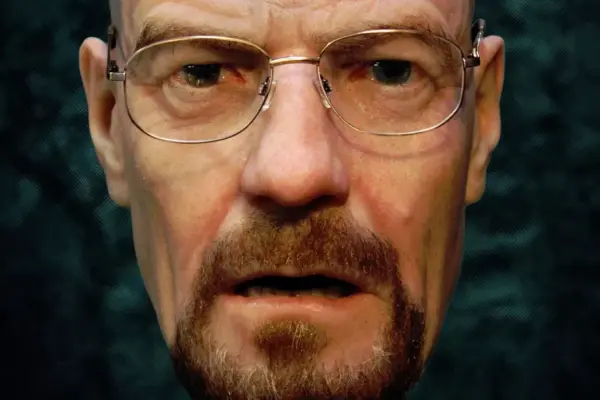
However, it was “Breaking Bad,” which aired from 2008 to 2013, that solidified his status as a leading actor. As Walter White, a high school chemistry teacher turned methamphetamine manufacturer, Cranston’s portrayal earned him four Primetime Emmy Awards for Outstanding Lead Actor in a Drama Series. His performance not only captured the complexities of a man’s moral descent but also helped pave the way for a new era of anti-hero protagonists on television.
Continued Success and Diverse Roles
Following the success of “Breaking Bad,” Cranston diversified his career by taking on various roles in film and theatre. He starred in movies like “Argo,” which won the Academy Award for Best Picture, and lent his voice to animated films such as “Kung Fu Panda 3.” Additionally, his award-winning Broadway performances in plays such as “All the Way” and “Network” further demonstrated his range as an actor.
Recent Projects and Future Endeavours
In recent months, Cranston has garnered attention for his involvement in projects such as the upcoming “Your Honor” Season 2, where he reprises his role as a morally conflicted judge. The series, which has been praised for its gripping storytelling, speaks to Cranston’s ability to continue captivating audiences with complex characters. His recent work also highlights a renewed interest in character-driven narratives that resonate with viewers on a deeper level.
Conclusion
Bryan Cranston’s journey from comedic roles to dramatic acclaim reflects his exceptional talent and the evolving nature of storytelling in the entertainment industry. As he continues to take on diverse and challenging roles, Cranston remains a significant figure who not only entertains but also inspires upcoming generations of actors. The impact of his work, both on screen and stage, illustrates the power of storytelling in addressing complex human emotions and societal issues.
You may also like