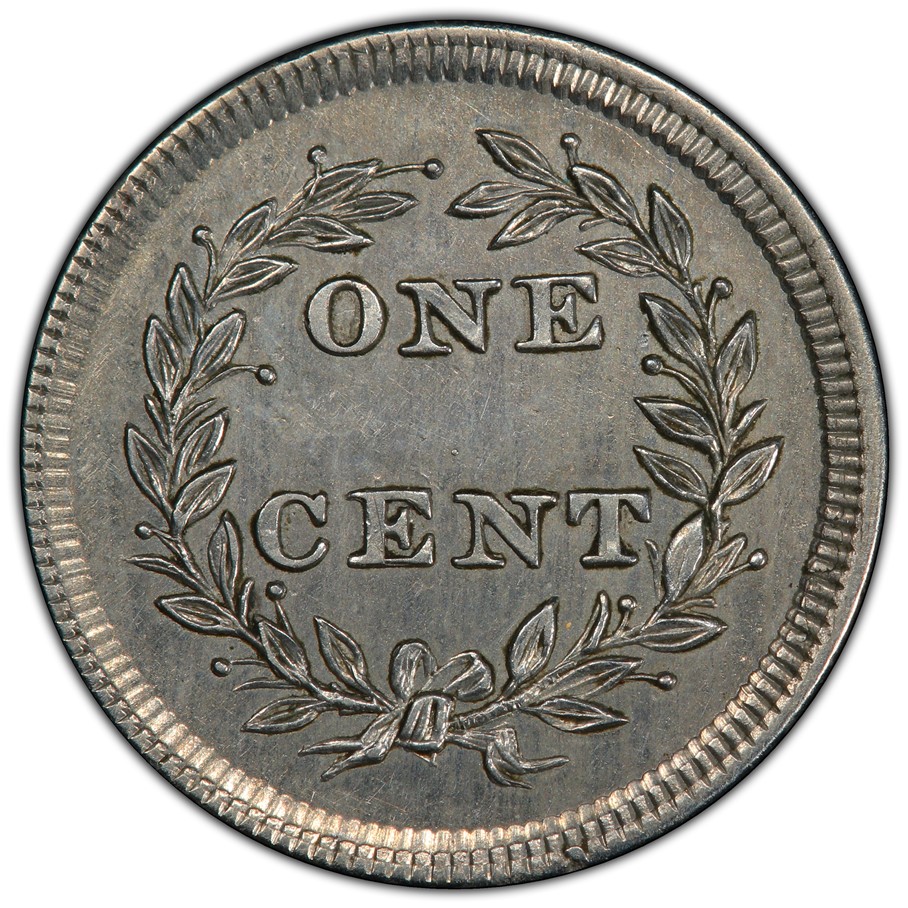
Introduction
US coins have played a significant role not only as a medium of exchange but also as a reflection of American history and culture. From the introduction of the first coinage in 1792 to the latest designs celebrating iconic figures and events, US coins are valuable for collectors and historians alike. As inflation and digital transactions rise, understanding the current trends in US coins becomes increasingly important for both investors and enthusiasts.
The Evolution of US Coins
The history of US coins begins with the Coinage Act of 1792, establishing the US Mint and regulating coin production. The penny, nickel, dime, quarter, half-dollar, and dollar coins became iconic, showcasing figures and imagery that represent freedom and democracy, such as Lady Liberty and the American Bald Eagle.
Throughout the years, coins have undergone various redesigns and modifications, often reflecting societal changes. For instance, the introduction of the state quarters program in 1999 captivated collectors by featuring designs representing each state – a move that revived interest in coin collecting across the nation.
Current Trends in Coin Collecting
As of 2023, numismatics or coin collecting has seen renewed interest. Factors driving this trend include the impact of social media, online communities, and the global epidemic, which encouraged many to explore hobbies from home. According to the Professional Numismatists Guild, online sales of coins have surged, with many collectors preferring to purchase through reputable websites.
Furthermore, the COVID-19 pandemic influenced the coin market, leading to a shift towards rare and valuable coins. Silver and gold coins have gained popularity as hedges against inflation, with many investors seeing them as safer investment options compared to traditional stocks.
The Future of US Coins
Looking ahead, the future of US coins appears to be evolving alongside advancements in technology and changes in consumer preferences. The rise of digital currencies may lead to further discussions about the role of physical coins in the economy. However, the US Mint continues to release commemorative coins and maintain public interest in coin collecting through educational programs.
Conclusion
In summary, US coins hold significant historical and cultural value, reflecting the nation’s identity and history. As current trends indicate a resurgence in coin collecting, especially among younger generations, it is evident that the fascination with coins endures. For collectors and investors alike, understanding the relevance and history of US coins remains essential in navigating the future of this unique hobby.
You may also like