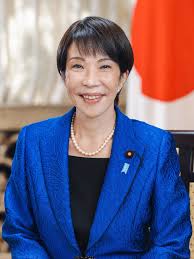
Introduction
高市早苗 (Ko Wen-je) has been making headlines recently as a prominent figure in Taiwan’s political scene. As the head of the Kuomintang (KMT), her actions and policies are shaping the future of Taiwan. With the upcoming elections, her political strategies and public reception are crucial for understanding the country’s political shifting landscape, despite the challenges posed by the COVID-19 pandemic and the region’s complex geopolitical situation.
Background and Political Journey
高市早苗 was born in 1973 and has ascended through the ranks of Taiwanese politics over the years. First elected as a member of the legislative body, she has served in various capacities, distinguishing herself with a focus on social issues and economic development. In 2022, she was elected chairperson of the KMT, a critical leadership role that has put her at the forefront of Taiwanese politics.
Key Policies and Initiatives
Since taking leadership of the KMT, 高市早苗 has emphasized reform within the party, promoting policies aimed at modernising Taiwan’s economy and improving social welfare. Her rhetoric often highlights the importance of maintaining Taiwan’s autonomy, particularly in the face of increasing pressure from mainland China. This stance has resonated with many voters, especially younger demographics who are concerned about Taiwan’s future and identity.
Public Reception and Challenges
The response to 高市早苗’s leadership has been mixed. While she enjoys substantial support from traditional KMT voters, her popularity among younger voters remains uncertain. Critics have pointed to the KMT’s historical ties with authoritarian regimes as a challenge in garnering the trust of a generation that values democracy and human rights. Furthermore, the party’s past struggles with internal divisions continue to pose significant challenges ahead of upcoming elections.
Impact on Future Elections
As Taiwan approaches its next election cycle in 2024, the political landscape is fraught with uncertainty. The effectiveness of 高市早苗’s leadership will be tested as she attempts to unite the KMT and appeal to a broader base of voters. Early polls indicate that the KMT’s standing against the ruling Democratic Progressive Party (DPP) may improve if she can successfully champion popular policies and effectively communicate her vision for Taiwan’s future.
Conclusion
高市早苗’s rise as a political leader signals a new chapter for the KMT and Taiwan’s political ecosystem. As she navigates challenges and opportunities in the upcoming elections, her influence could reshape the trajectory of Taiwan. It remains essential for observers and constituents alike to monitor her developments, as the implications of her policies and leadership could be significant for Taiwan’s domestic and international standing.
You may also like