Introduction
The use of drones in commercial aviation is rapidly transforming airport operations across the globe, and Copenhagen Airport is at the forefront of this innovation. As one of the busiest airports in Europe, the integration of drones into its operations signifies a leap towards enhanced security, efficiency, and passenger experience.
Drones in Action
Copenhagen Airport, known for its commitment to adopting technological advancements, commenced a pilot programme for utilising drones in late 2023. The initiative aims to utilise drones for various purposes, including surveillance, cargo transport, and inspections of airport infrastructure. This shift not only aims to optimise operational efficiency but also enhances safety protocols by enabling real-time monitoring of the airport premises.
The Danish Transport Authority authorised the first commercial use of drones within the airport’s restricted area. During the pilot programme, drones will be deployed to carry out inspections of runways and terminals, ensuring they are free from debris and other potential hazards. This will reduce the need for extensive manual checks and allow airport staff to focus on other critical tasks.
Security Enhancements
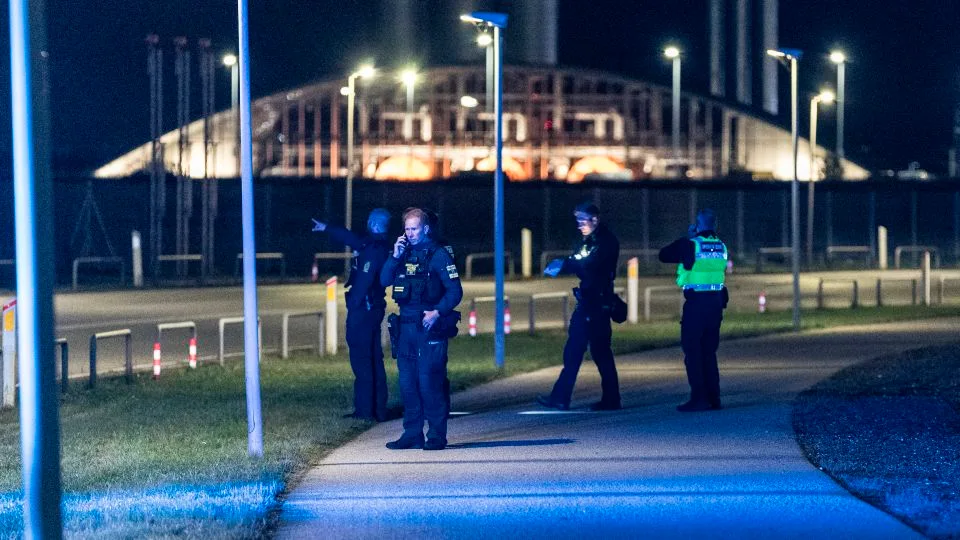
Security remains a top priority for Copenhagen Airport, and deploying drones adds an additional layer of protection. Equipped with advanced surveillance technology, drones are capable of monitoring large areas quickly and efficiently. They can provide real-time aerial footage to security personnel, enabling swift responses to any potential security threats.
Furthermore, the exacting data collected by drones can assist in developing better security protocols, ensuring that the airport remains a safe environment for all travellers. A series of successful test flights have already demonstrated how drones can be used to patrol the airport perimeters and track suspicious activities.
Future Prospects
Looking ahead, Copenhagen Airport’s management plans to explore further uses of drone technology. Future applications could include automated refueling of aircraft, emergency response support, and enhanced logistic operations for luggage and freight. By 2025, airport officials anticipate that drones will play a critical role in streamlining operations and improving the overall travel experience.
Conclusion
The incorporation of drones at Copenhagen Airport represents a significant leap into the future of aviation and airport management. As the trials progress and further applications are evaluated, there is a potential for other airports to follow suit, leveraging drone technology for efficiency and security. With a focus on innovation, Copenhagen Airport not only aims to maintain its status as a leading global transport hub but also sets a standard for what the future of airports might look like.
You may also like