Introduction
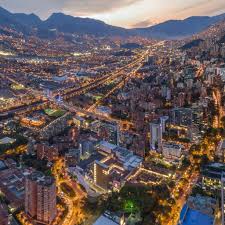
Medellin, the second-largest city in Colombia, is renowned for its remarkable transformation over the last two decades. Once associated with violence and drug cartels, the city has reinvented itself as a hub for innovation, culture, and social development. This metamorphosis is crucial not only for Colombia but also serves as a model for urban renewal worldwide.
A New Era for Medellin
In recent years, Medellin has garnered international attention for its innovative public policies and urban planning initiatives. The city’s commitment to social integration and accessibility has led to noteworthy projects like the Metrocable – a cable car system that connects marginalized communities to the city’s metro system. Launched in 2004, this initiative has greatly improved mobility for residents in hilly areas, significantly reducing travel times and increasing access to job opportunities.
Furthermore, the local government has invested heavily in education and technology, establishing the Medellin Innovation District in 2016. This district aims to promote entrepreneurship and technological advancement, attracting startups and fostering collaboration between businesses and educational institutions. The result is a burgeoning tech scene that has put Medellin on the map as a growing tech hub in Latin America.
Cultural and Artistic Flourishing
Medellin’s cultural landscape has also seen tremendous growth. The city hosts several international festivals, including the annual Medellin Flower Festival and the International Jazz Festival, which draw visitors from around the globe. The transformation of previously neglected public spaces into vibrant areas for art and culture has further enhanced its appeal. Initiatives such as the “Museo de Arte Moderno” and Project “Ruta N” provide platforms for local artists and entrepreneurs, showcasing the city’s creativity.
In addition to its cultural events, Medellin’s gastronomy is gaining recognition, with numerous restaurants showcasing local ingredients and culinary traditions. Food tours have become popular, allowing both locals and tourists to discover the rich culinary heritage of the region.
Conclusion
As Medellin continues to evolve, it exemplifies resilience and transformation. The city’s shift from violence to innovation challenges preconceived notions about urban environments in Latin America. Looking ahead, Medellin’s commitment to social equity and urban sustainability may serve as a template for other cities worldwide dealing with similar issues. With ongoing investments in technology, culture, and community, the future appears bright for this dynamic Colombian metropolis.
You may also like