Introduction
In recent years, the prevalence of sinister themes across various media has captured audiences’ attention and shaped cultural narratives. From films and literature to video games and music, the infiltration of dark, unsettling elements offers a reflection of society’s anxieties and an exploration of the human psyche. Understanding this trend is crucial, as it not only influences popular culture but also provides insights into contemporary societal fears and the collective consciousness.
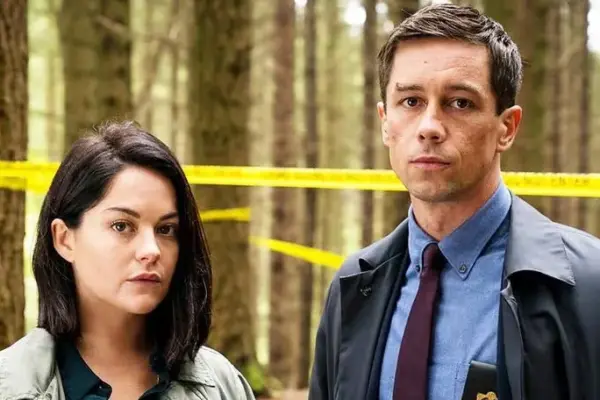
Sinister Themes in Film and Television
The film industry has increasingly leaned into sinister storytelling, with movies like “Get Out” and series such as “The Haunting of Hill House” showcasing psychological horror and the grotesque. These narratives often delve into themes of isolation, paranoia, and moral ambiguity, reflecting societal issues such as racism, mental health, and the breakdown of community. In the wake of the COVID-19 pandemic, audiences have shown a heightened interest in narratives that invoke fear, uncertainty, and survival.
Literary Trends
In literature, sinister themes have found a stronghold in both fiction and non-fiction. Bestsellers like “The Silent Patient” and “The Girl on the Train” highlight psychological tension and intricate character studies that mirror the sinister aspects of human relationships and motivations. Authors are increasingly using dark storytelling to engage with complex issues such as trauma, betrayal, and morality, inviting readers to confront their own fears and prejudices within the narrative.
The Video Game Phenomenon
The gaming industry mirrors this trend as well, offering players immersive experiences steeped in darkness. Titles like “Resident Evil” and “Silent Hill” have long used sinister atmospheres to create tension and thrill, but recent games such as “The Last of Us Part II” have introduced deeper emotional narratives that question morality in a post-apocalyptic world. This shift not only offers entertainment, but also challenges players’ perceptions of right and wrong in dire circumstances.
Conclusion
The rising popularity of sinister themes in modern media reflects broader societal issues and emotional struggles. As creators explore these darker aspects of storytelling, audiences are not only entertained but also compelled to engage with uncomfortable truths about human nature and society. It is likely that this trend will continue to develop, leading to more nuanced portrayals of fear and darkness in the narratives we consume. Understanding the significance of these themes can enrich our viewing, reading, and playing experiences, prompting discussions that resonate far beyond the screen or page.
You may also like