Importance of Understanding Spice Drugs
Spice drugs, synthetic cannabinoids often marketed as legal highs, have become increasingly prevalent in the UK and around the world. Their growing usage presents significant public health challenges and raises concerns about safety, legality, and the impact on society. As policymakers and health professionals attempt to address the issues associated with these substances, it is crucial for the public to be informed about the potential risks and implications of consuming spice drugs.
The Nature of Spice Drugs
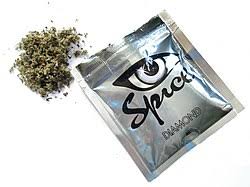
Spice drugs consist of a variety of synthetic chemicals designed to mimic the effects of cannabis. These substances are typically sprayed onto plant material and sold under various brand names. Users often perceive spice drugs as a safer alternative to cannabis; however, the reality is far more complex. Research indicates that these synthetic compounds can cause severe health problems, including heart palpitations, anxiety, hallucinations, and in extreme cases, death.
Current Statistics and Trends
According to a report from the National Crime Agency (NCA), the synthetic cannabinoid market continues to thrive, with increased availability in a range of environments, including music festivals and online markets. Recent statistics suggest that there are over 200 different synthetic compounds identified in commercial spice products, leading to a worrying trend of unregulated and dangerous substances entering the market.
Furthermore, the UK government has taken measures to combat this issue, implementing the Psychoactive Substances Act 2016, which aims to restrict the production and distribution of psychoactive substances, including spice drugs. Despite this legislation, enforcement has proven challenging, as manufacturers quickly adapt to evade laws by altering the chemical structures of their products.
Challenges in Addressing Spice Drug Use
One of the primary challenges in addressing spice drug use is the stigma associated with synthetic drugs compared to traditional narcotics. Many users view spice drugs as socially acceptable due to their perceived legality. Additionally, there is a lack of accurate information surrounding the consequences of using these drugs, making education on the subject even more crucial. Health professionals are also finding it increasingly difficult to provide care for patients impacted by spice use due to the unpredictable and potent effects of these drugs.
Conclusion: The Path Forward
As the use of spice drugs continues to rise, it is imperative for both individuals and communities to work together to combat the challenges posed by these substances. Increased awareness, education, and open dialogue about the risks associated with spice drugs can help reduce their prevalence and support those affected by their use. Policymakers may need to consider more comprehensive strategies that tackle not only legal restrictions but also public health campaigns aimed at informing and protecting the community.
You may also like