Introduction
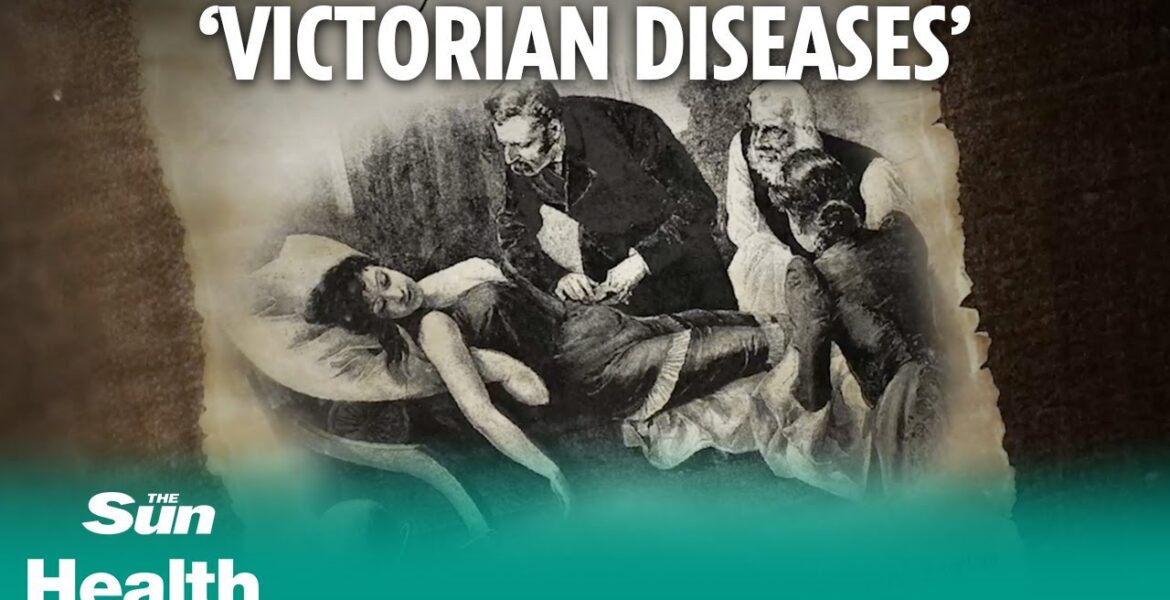
Victorian diseases, often associated with the health crises of the 19th century such as tuberculosis, cholera, and typhoid fever, are witnessing a troubling resurgence in various parts of the world, including the Amazon. Understanding these diseases and their implications in contemporary settings is of utmost importance, as they highlight ongoing public health challenges, especially in vulnerable populations.
The Current Landscape
Recent reports indicate an alarming rise in incidence rates of diseases that were once thought to be under control. In the Amazon region, factors such as deforestation, urbanization, and inadequate healthcare infrastructure have contributed to the re-emergence of these diseases. For instance, a report from the Pan American Health Organization noted a significant increase in cases of malaria and dengue fever, both of which can be linked to environmental changes exacerbated by human activity.
Socioeconomic Factors
The socio-economic conditions in the Amazon have also played a crucial role in the spread of these Victorian diseases. Overcrowding in urban settlements has led to poor sanitation and increased susceptibility to infectious diseases. A survey conducted by the Brazilian Ministry of Health found that many communities lack access to clean water, proper sewage disposal, and effective healthcare, making them prime targets for outbreaks of diseases that were prevalent during the Victorian era.
Impacts of Climate Change
Climate change has further compounded the issue. Alterations in rainfall patterns and temperatures have created favorable conditions for the transmission of diseases. For example, warmer temperatures can facilitate the breeding of mosquitoes, leading to higher rates of diseases such as Zika and yellow fever. The World Health Organization has warned that if these trends continue, African trypanosomiasis (sleeping sickness) and other vector-borne diseases could see a resurgence, echoing the public health crisis of the Victorian period.
Conclusion
The resurgence of Victorian diseases in the Amazon serves as a stark reminder of past public health challenges and highlights the significant role of environmental and social factors. As nations tackle climate change and its implications, there is a pressing need for comprehensive health policies and improved healthcare systems to prevent these diseases from becoming endemic again. Awareness and research into Victorian diseases can not only assist in managing current outbreaks but also aid in developing preventive measures for future generations, ensuring that history does not repeat itself.
You may also like