Introduction
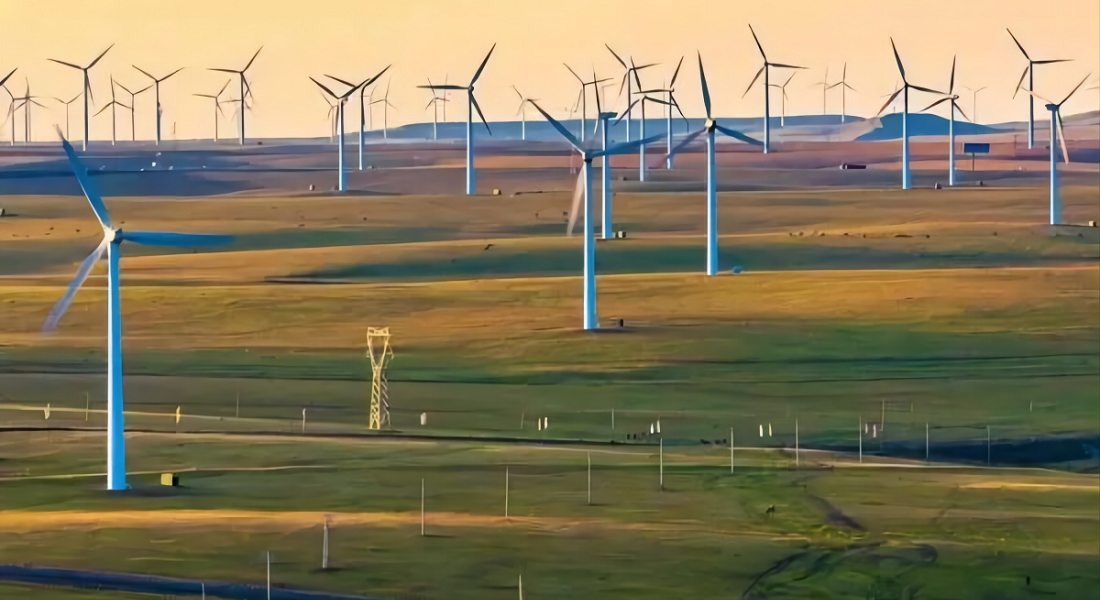
The significance of wind energy in the global fight against climate change cannot be overstated, and China stands at the forefront of this revolution. With its rapid expansion of wind farms, the country has become the world’s largest producer of wind energy, making crucial strides towards its goal of carbon neutrality by 2060. Understanding the developments in China’s wind energy sector is essential for grasping the future of renewable energy in the world.
Rapid Expansion of Wind Energy
China’s wind power capacity has grown exponentially in recent years. As of 2022, the country had an installed wind power capacity of over 300 gigawatts (GW), which accounts for approximately one-third of the global total. The National Energy Administration (NEA) projected that China will increase its wind power capacity to reach approximately 1,200 GW by 2030 as part of its broader plans to generate over 50% of its energy from clean sources.
This explosive growth is driven by significant government support and investment in renewable energy technology. In 2023 alone, China has invested over £30 billion in new wind projects across various provinces, enhancing not only the power generation capacity but also the economic stimulus provided by the green energy sector.
Technological Advancements
China’s commitment to technology innovation has played a vital role in its wind farm development. The manufacturing of larger and more efficient turbines has allowed wind farms to generate higher outputs and reduce costs. For instance, a recent breakthrough in turbine technology has led to models capable of producing up to 10 MW per unit, significantly increasing energy production efficiency.
The integration of artificial intelligence in wind farm management has also optimised energy output and reduced operational costs. Advanced predictive maintenance and performance analytics help operators ensure that wind turbines run efficiently and are well-maintained.
Environmental and Economic Implications
As wind farms proliferate, their impact on local economies is becoming increasingly evident. Job creation in construction, operations, and maintenance of wind facilities supports local communities. Furthermore, the push toward renewables is integral to China’s strategy to mitigate air pollution and reduce greenhouse gas emissions, which have been major concerns due to rapid industrialisation.
Conclusion
China’s extensive investment in wind farms illustrates a broader commitment to sustainability and environmental responsibility in the energy sector. With projections showing a future where wind energy capabilities continue to escalate, the country’s efforts not only serve its domestic energy needs but also position China as a leader in global renewable energy markets. As nations around the world look for effective strategies to combat climate change, China’s wind farms serve as a powerful example of the potential for renewable energy to transform economies and preserve the planet for future generations.
You may also like