Introduction
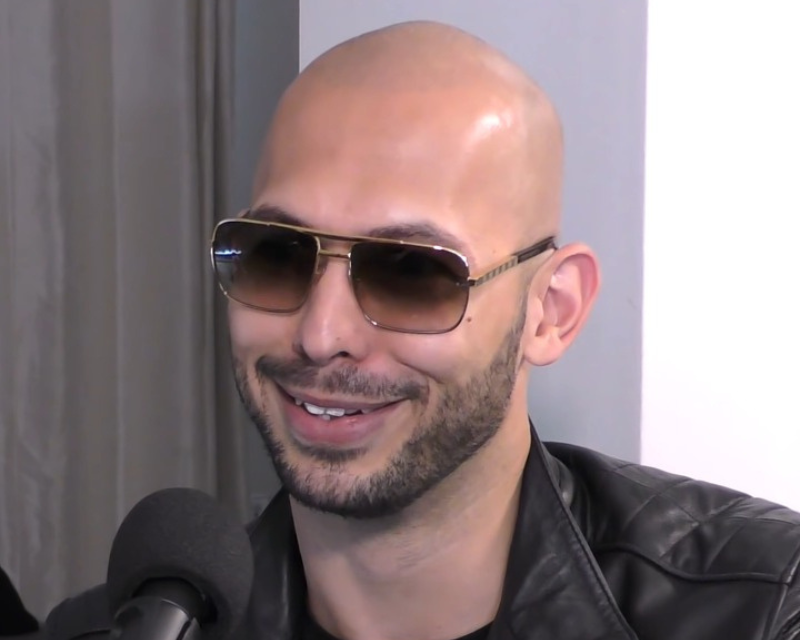
Andrew Tate, a social media influencer and former kickboxer, has garnered significant attention and controversy in the digital landscape, particularly in recent years. With a polarising persona that intertwines motivational speaking with unconventional views, Tate resonates with a particular demographic while also attracting widespread criticism. Understanding his influence and the public’s reaction is crucial as he continues to shape online discourse in 2023.
Recent Developments
In early 2023, Andrew Tate’s legal battles once again came to the forefront when he and his brother were arrested in Romania on charges related to human trafficking and organising criminal groups. This arrest generated intense media scrutiny and revived discussions about his online activities and impact on youth culture. While he remains in detention awaiting trial, Tate continues to maintain his innocence and asserts that his controversial lifestyle is a matter of personal freedom.
Simultaneously, Tate’s social media presence has seen a resurgence. Despite being banned from multiple platforms in 2022, clones of his accounts have emerged, posting content that propagates his philosophies. This creates a ripple effect of discussions regarding the responsibilities of social media platforms and their ability to regulate influencers who promote divisive and potentially harmful messages.
Public Reaction and Influence
The public’s reaction to Tate is sharply divided. Supporters laud him for his entrepreneurial advice, motivating lifestyle, and focus on masculinity, often portraying him as a figure who challenges societal norms. In contrast, critics argue that his advice promotes toxic masculinity and unhealthy relationships between genders. This dichotomy reflects broader societal debates about masculinity, power dynamics in relationships, and the role of digital discourse in shaping modern values.
As educational institutions and parents grapple with children’s exposure to figures like Tate, discussions surrounding digital literacy have gained importance. Many educators advocate for teaching young people how to critically engage with such content and identify manipulation within social media rhetoric.
Conclusion
In conclusion, Andrew Tate remains a significant yet contentious figure in contemporary social media culture. As his legal situation unfolds, it will undoubtedly impact his online presence and influence. Observers are keen to see whether this controversy will lead to further scrutiny of influencer culture or spark more intense engagement from both supporters and detractors. For readers, understanding the implications of his reach can inform broader conversations about social media’s influence on youth and the responsibilities of influencers in 2023.
You may also like