Introduction
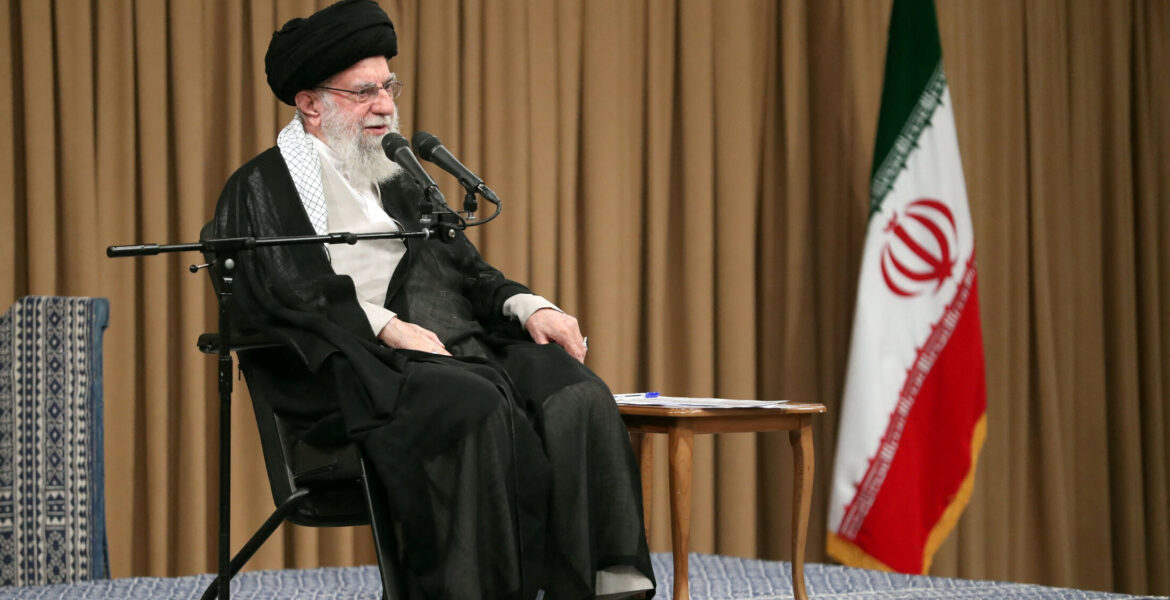
Ayatollah Ali Khamenei has been a pivotal figure in Iran’s political landscape since the 1979 revolution. As the Supreme Leader of Iran, Khamenei wields significant authority over the country’s political, military, and economic matters. His decisions resonate not just within Iran but also have far-reaching implications across the Middle East and beyond.
Background and Rise to Power
Khamenei was born on July 17, 1939, in Mashhad, Iran. He became involved in revolutionary activities against the Shah’s regime during the 1960s, leading to his imprisonment and subsequent exile. After the success of the 1979 Islamic Revolution, Khamenei served as the President of Iran from 1981 until 1989. Following the death of the founder of the Islamic Republic, Ayatollah Ruhollah Khomeini, Khamenei was elected the Supreme Leader, consolidating his power and establishing his influence over the various branches of government while maintaining the principles of the Islamic Republic.
Significant Policies and Influence
Khamenei’s leadership has been marked by a mixture of contentious foreign and domestic policies, including staunch opposition to the United States and a commitment to maintaining Iran’s nuclear programme. He has also supported Hezbollah and other factions across the region, positioning Iran as a significant player in Middle Eastern geopolitics. Khamenei’s call for resistance against America and Israel has reinvigorated nationalist sentiments among Iranians, despite widespread economic difficulties and social unrest. The Supreme Leader has also faced internal challenges, including protests against government policies and allegations of corruption.
Recent Developments
As of late 2023, Khamenei continues to navigate complex international relations, particularly amidst ongoing tensions surrounding Iran’s nuclear programme and sanctions imposed by Western nations. The protests that erupted in the wake of Mahsa Amini’s death in 2022 signify the growing discontent within Iranian society, yet Khamenei’s regime maintains firm control, suppressing dissent and emphasising stability and unity.
Conclusion
Ayatollah Ali Khamenei’s role as Supreme Leader remains essential in understanding Iran’s internal politics and its foreign relations. His influence is likely to continue shaping Iran’s trajectory long into the future, especially as the country grapples with economic hardship, international isolation, and an increasingly vocal population demanding reform. The coming years will be critical in determining whether Khamenei can adapt to these pressures or if they will lead to significant changes within the Iranian political system.
You may also like