Introduction
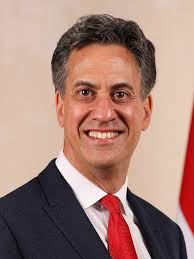
Ed Miliband, a prominent figure in the UK’s Labour Party, has recently gained renewed attention in political circles. Serving as the Leader of the Labour Party from 2010 to 2015, Miliband has remained a key voice in contemporary British politics. His ability to address pressing issues such as climate change and economic inequality has cemented his relevance in current political discourse.
Recent Developments
In recent months, Miliband has taken on a significant role within the Labour Party, especially in the context of the growing energy crisis and the party’s position for the upcoming general elections. As the Shadow Business and Industrial Strategy Secretary, he is leading the charge on renewable energy policies aimed at combating climate change while addressing rising living costs for UK citizens. This focus is part of a broader strategy to reposition the Labour Party as a frontrunner in addressing climate issues, which have become increasingly paramount to voters.
In September 2023, Miliband made headlines with his bold proposals for a ‘Green New Deal’, aimed at boosting employment through sustainable industries and reducing carbon emissions. His advocacy for green energy solutions aligns with the global push towards sustainability and reflects the increasing concern over climate change amongst the electorate.
Public Engagement and Media Presence
Miliband has also harnessed social media as a platform to engage with the public, frequently sharing insights and updates on Labour’s initiatives. His appearances on various news outlets and social media platforms have brought a youthful energy to his political engagements, ensuring he resonates with younger voters who prioritise environmental issues.
Furthermore, he has been vocal about the government’s handling of economic challenges post-COVID-19, arguing for more robust measures to support low-income families and bolster the welfare system. His critiques have sparked discussions both within the party and across the political spectrum, positioning him as an advocate for progressive economic policies.
Conclusion
As the next general elections approach, Ed Miliband’s role is likely to become even more pivotal. His focus on addressing climate change and economic disparities reflects broader trends within the Labour Party as it seeks to connect with voters. The significance of his contributions cannot be understated; Miliband is not only advocating for policy changes but also shaping the narrative of modern British politics. Whether his efforts will translate into electoral success for Labour remains a key question for analysts and constituents alike in the months ahead.
You may also like