Introduction
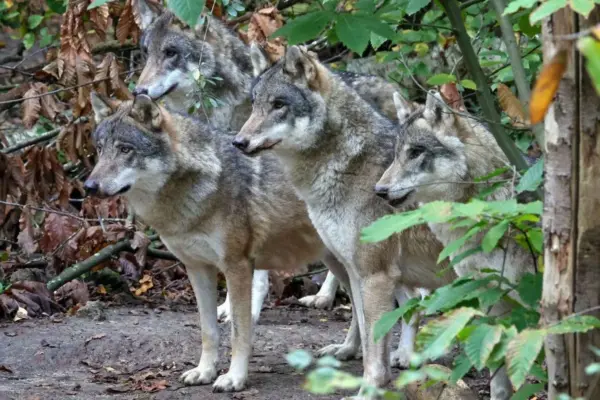
The return of wolves to many parts of North America and Europe has sparked discussions about their essential role in maintaining healthy ecosystems. These apex predators significantly influence the behaviour and populations of other species, promoting biodiversity and contributing to environmental balance.
The Ecological Importance of Wolves
Wolves have been historically misunderstood, often viewed as threats to livestock and game animals. However, recent studies have shown that their reintroduction into areas like Yellowstone National Park has had profound positive effects. By preying on elk, wolves help regulate ungulate populations, allowing vegetation in river valleys to flourish. This, in turn, supports different species of birds and mammals, creating a more balanced and diverse ecosystem.
Current Events and Initiatives
In recent years, there have been significant conservation efforts across various regions aimed at bolstering wolf populations. For example, the state of California has initiated discussions on reintroducing the grey wolf, sparking legal and social debates. Conservationists advocate for the wolves’ return, citing ecological benefits, while some local farmers express concerns about livestock predation. Legislative measures are being proposed to manage these challenges effectively.
Controversies and Challenges
Despite the ecological benefits of wolves, their management remains contentious. Public opinion is often divided, with some advocating for their protection while others push for hunting to control their numbers. The complexities of human-wolf interactions lead to continuous debates regarding best practices for cohabitation. Wildlife management teams are working on developing comprehensive strategies that consider both environmental stewardship and the concerns of local communities.
Conclusion
The significance of wolves extends beyond their status as apex predators; they are a vital component of ecological health and stability. As conservation efforts grow, the hope is to foster a greater understanding of wolves, promoting coexistence between humans and these majestic animals. If current initiatives carry forward, wolves may play an even greater role in the natural landscapes of the future, highlighting the necessity of maintaining biodiversity and ecological integrity.
You may also like