Introduction
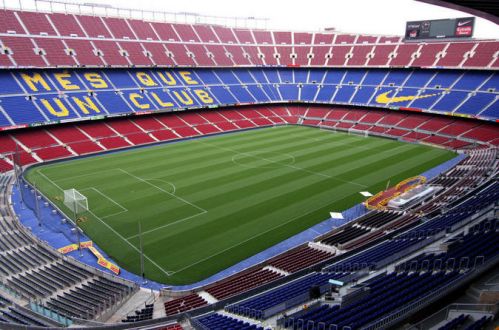
Camp Nou, home to FC Barcelona, holds a special place in the hearts of football fans worldwide. As one of the largest and most iconic stadiums globally, its significance extends beyond mere sporting events. With a seating capacity of 99,354, Camp Nou is a symbol of the club’s rich history and cultural identity. As FC Barcelona prepares for crucial renovations aimed at enhancing facilities, the importance of this landmark has come into sharper focus.
Current Renovations and Developments
In recent news, FC Barcelona announced significant investment plans for the renovation of Camp Nou, part of their ongoing Espai Barca project. The redevelopment initiative, which began in 2021 and is set to continue until 2026, includes improving accessibility and modernising facilities while retaining the stadium’s historical charm. The total cost of the renovation is expected to be around €1.5 billion, making it one of the most ambitious projects in the football world.
As the restoration progresses, fans and stakeholders are keenly watching the transformations taking place. Technological advancements, including enhanced seating, state-of-the-art video screens, and improved hospitality services, are expected to redefine the matchday experience for millions of visitors each year. Moreover, this initiative aims to ensure that Camp Nou remains a competitive venue for international events, beyond hosting FC Barcelona matches.
The Cultural Impact of Camp Nou
Camp Nou is not merely a football ground; it is a cultural hub that attracts millions of visitors annually. The museum within the stadium showcases FC Barcelona’s history, from legendary players to famous victories, thus serving as a pilgrimage site for fans across the globe. This cultural significance has made Camp Nou a notable point of interest in Barcelona, contributing to the local economy through tourism.
Future Outlook
Looking ahead, the planned renovations at Camp Nou are anticipated to bolster the stadium’s status as a world-class venue. Once completed, it is expected to provide a better experience for both players and supporters, thereby preserving its legacy. As football continues to evolve, the changes at Camp Nou are a testament to FC Barcelona’s commitment to tradition while embracing modernity.
Conclusion
In conclusion, Camp Nou is more than just a stadium; it embodies the spirit of FC Barcelona and contributes significantly to the cultural landscape of Barcelona and beyond. As renovations unfold, the future of this iconic venue looks promising. For fans, the enhancements promise an even richer experience, and for the club, an opportunity to continue thriving in the competitive realm of global football.
You may also like