Introduction
The classroom plays a pivotal role in shaping the educational journey of students. It is not merely a physical space, but a dynamic environment where critical learning occurs. With the shift towards hybrid and remote learning during the pandemic, understanding the significance of classroom setups has become more relevant than ever.
Current Trends in Classroom Design
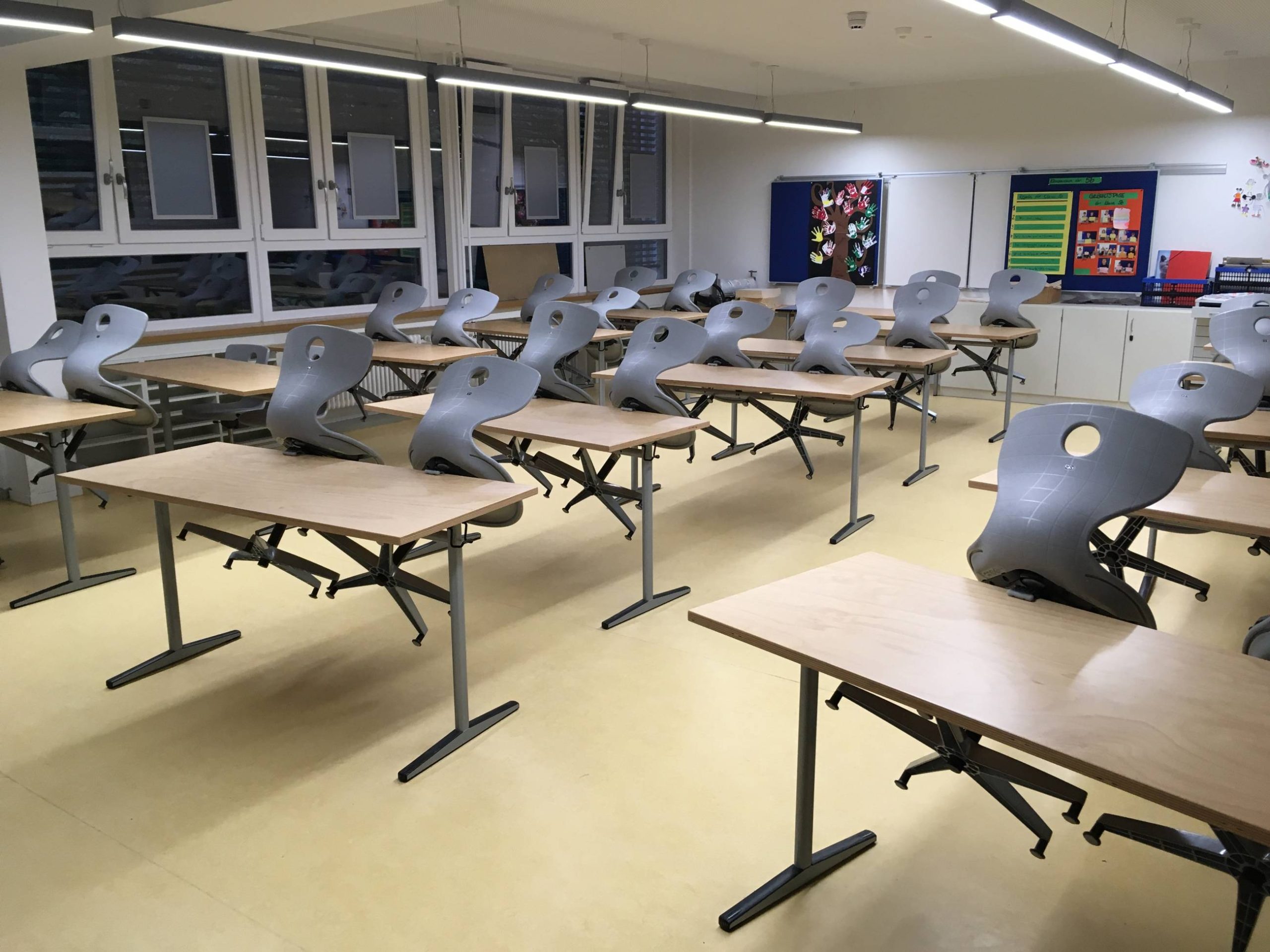
The traditional classroom, often characterised by rows of desks facing the teacher, is evolving. Modern classrooms are being designed with collaborative spaces that encourage interaction among students. According to recent studies, flexible seating arrangements can enhance engagement and improve student outcomes. Schools across the UK are increasingly adopting these innovative designs to cater to varied learning styles.
The Role of Technology in Classrooms
Incorporating technology into classroom settings has revolutionised teaching and learning processes. Digital tools such as smart boards, tablets, and online resources allow for more interactive and personalised experiences. A survey conducted by EdTech revealed that 85% of teachers believe technology in the classroom has positively impacted student engagement. Nevertheless, this also raises concerns regarding screen time and the need for striking a balance between digital and traditional learning methods.
Challenges Faced in the Classroom
While classrooms are evolving, challenges remain. Issues such as overcrowded classes, inadequate resources, and the varying needs of students can hinder learning. Recent reports from the Department for Education indicate that approximately 1.5 million students in the UK are in classrooms exceeding 30 pupils. This situation affects the quality of education and the attention each student receives, emphasizing the need for government policies that address these disparities.
Conclusion
Understanding the significance of classroom environments is crucial as we navigate the future of education. The ideal classroom is one that fosters engagement, inclusivity, and adaptability to students’ needs. As educational institutions continue to innovate and strive for improvement, the investment in effective classroom design and resources can lead to enhanced academic performance and student well-being. Moving forward, stakeholders must prioritise these aspects to ensure that every learner has the opportunity to thrive in a conducive educational setting.
You may also like