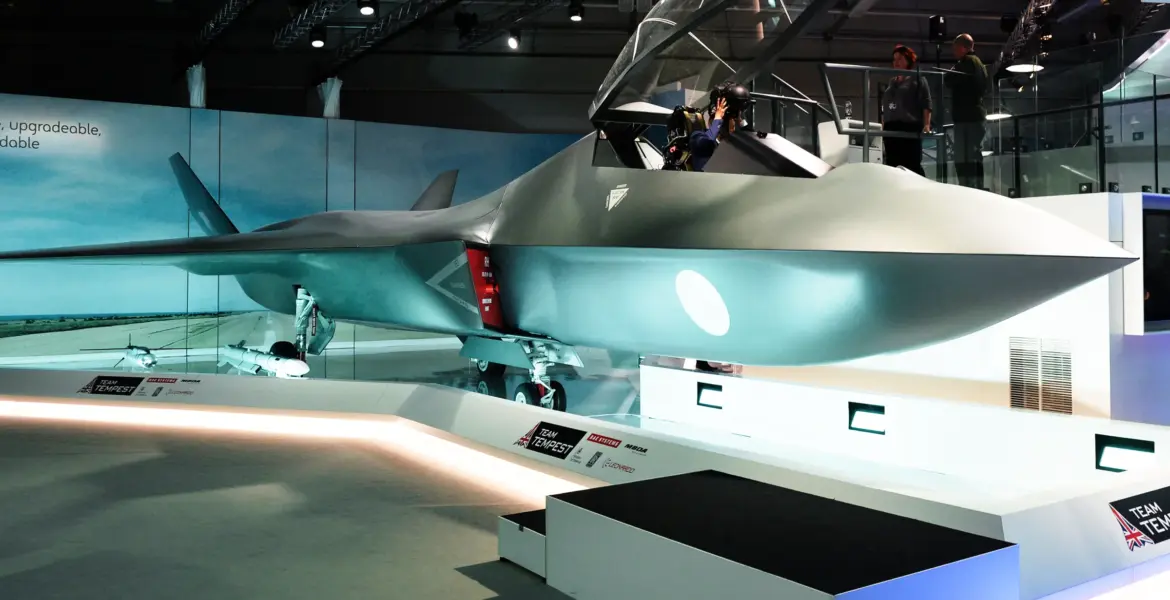
Introduction to the Tempest Fighter Jet
The Tempest fighter jet is a groundbreaking project in the realm of military aviation, spearheaded by the UK and set to radically transform the air combat landscape. As nations pursue advancements in military technology, the Tempest program stands out not just for its innovative design but also for its potential to enhance national security and operational capability in future conflicts.
A Leap Forward in Technology
Launched in 2018, the Tempest program aims to develop a sixth-generation fighter jet, incorporating cutting-edge technologies such as advanced artificial intelligence, enhanced stealth capabilities, and integrated sensor systems. This jet is designed to operate alongside unmanned aerial vehicles (UAVs) and other platforms in a networked combat environment. According to a recent report from the UK Ministry of Defence, the Tempest will feature innovations like a modular payload system that allows for rapid changes in armament and equipment based on mission requirements.
Collaborative International Efforts
The development of the Tempest involves collaboration among several European nations, with contributions from Sweden’s Saab and Italy’s Leonardo. This international partnership is aimed at pooling resources and expertise to ensure that the Tempest remains competitive against emerging threats. As of 2023, these countries have committed to a joint investment plan, anticipating that the first prototype will be unveiled in the late 2020s, with operational service expected by 2035.
Geopolitical Implications
The Tempest fighter jet also holds significant geopolitical implications. With the global security landscape continually evolving, the UK and its partners believe that having advanced combat aircraft will deter potential adversaries and ensure strategic advantages in contested environments. Analysts point out that the Tempest program also serves as a response to the development of advanced fighter jets in countries like Russia and China, highlighting the imperative for NATO allies to maintain technological superiority.
Conclusion: The Future of the Tempest
In conclusion, the Tempest fighter jet is not just a military asset; it represents the future of aerial warfare. As development progresses, its success will depend on effective collaboration, integration of cutting-edge technologies, and timely execution. For defence analysts and military strategists alike, the Tempest programme will certainly be a focal point in discussions surrounding future combat scenarios and air dominance strategies. As we look towards the future, the potential of the Tempest may redefine how air forces operate in an increasingly complex global battlefield.
You may also like