Introduction
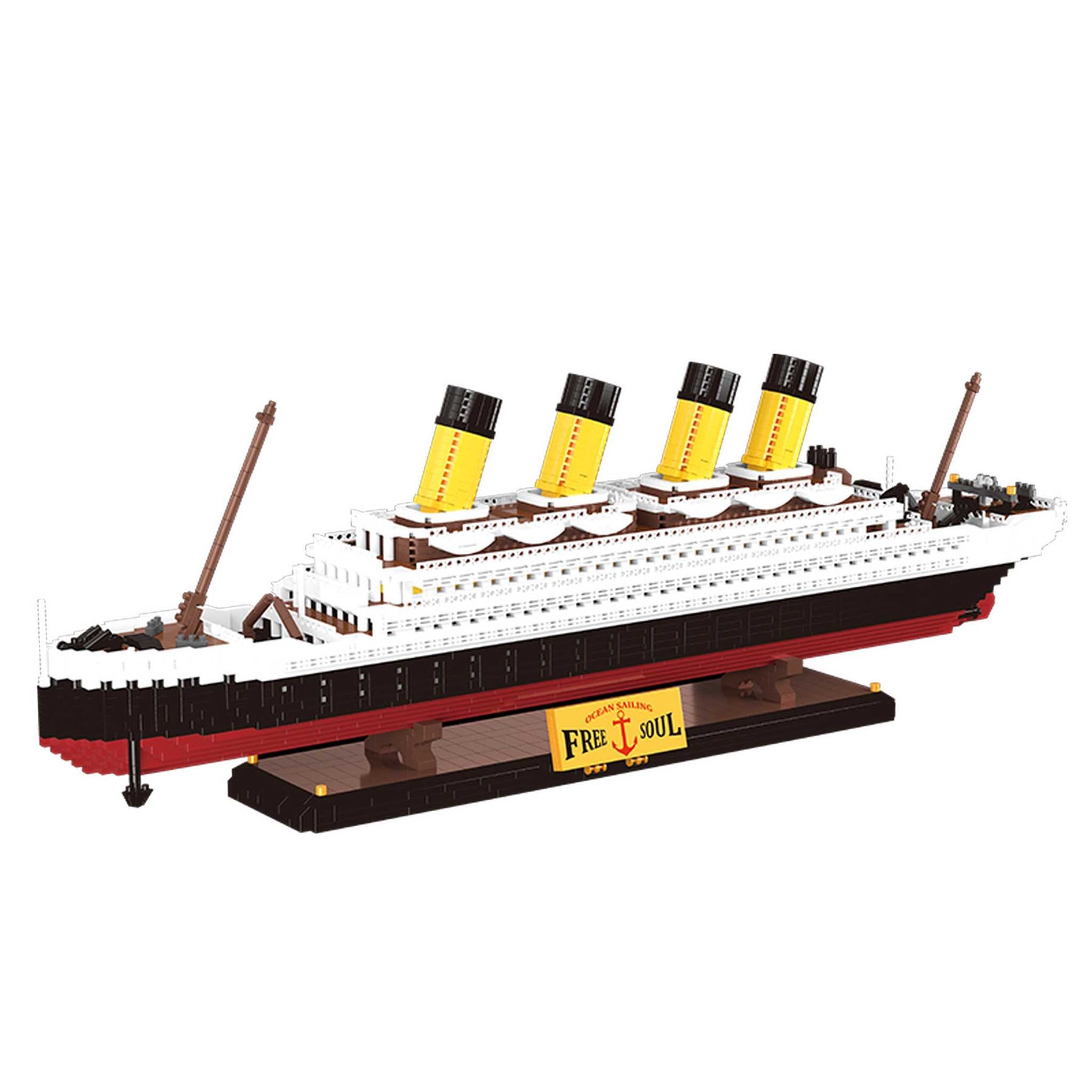
The Titanic, a name synonymous with tragedy and loss, represents one of the most infamous shipwrecks in maritime history. The RMS Titanic sank on its maiden voyage on April 15, 1912, after hitting an iceberg, resulting in the deaths of over 1,500 people. The significance of the Titanic extends beyond just the disaster; it raises questions about human error, technology, and the safety regulations that emerged in its wake.
Key Events Surrounding the Titanic
On April 10, 1912, Titanic embarked from Southampton, England, with great fanfare, boasting luxurious accommodations and an array of high-profile passengers. However, the ship’s optimism turned to horror when, just four days into its journey, it struck an iceberg in the North Atlantic. Despite the ship’s advanced engineering and touted safety features, the impact caused a catastrophic breach below the waterline.
The calamitous sinking led to a significant loss of life, with lifeboats only accommodating about half of those on board. The aftermath ignited outrage over the lack of sufficient safety measures. As a result, legislative changes prompted the establishment of the International Convention for the Safety of Life at Sea (SOLAS) in 1914, fundamentally altering maritime safety protocols.
Recent Developments and Cultural Impact
Over a century since its sinking, the Titanic continues to captivate the public imagination, inspiring countless films, books, and exhibitions. The 1997 film, directed by James Cameron, propelled the Titanic story back into the public sphere, redefining cinematic portrayals of historical events. In recent years, advancements in underwater exploration technology have led to renewed interest in the wreck itself, with teams regularly conducting dives to study the remains and extract artefacts.
Moreover, researchers are focusing on the ship’s deterioration due to deep-sea bacteria, which is consuming the hull and highlighting issues surrounding preservation and historical integrity. The Titanic’s story also serves as a cautionary tale regarding human folly and the hubris associated with technological advancements.
Conclusion
In conclusion, the Titanic stands not only as a memorial to those who lost their lives but also as a crucial learning point in maritime history. The events surrounding its sinking led to substantial changes in safety regulations that have transformed how sea travel is conducted today. As advancements in exploration and research continue, the Titanic will remain a poignant reminder of both human innovation and vulnerability. Looking forward, the legacy of the Titanic compels us to reflect on our responsibilities to prevent similar tragedies in the future.
You may also like