Introduction
Live shows have evolved into a cornerstone of the entertainment industry, bridging the gap between performers and audiences in an unparalleled way. The significance of live shows extends beyond mere entertainment; they foster community, promote cultural exchange, and provide unique experiences that cannot be replicated through recorded media. As the world continues to adapt to changes brought on by the pandemic, the resilience of live events stands as a testament to their importance to both artists and fans alike.
The Resurgence of Live Shows
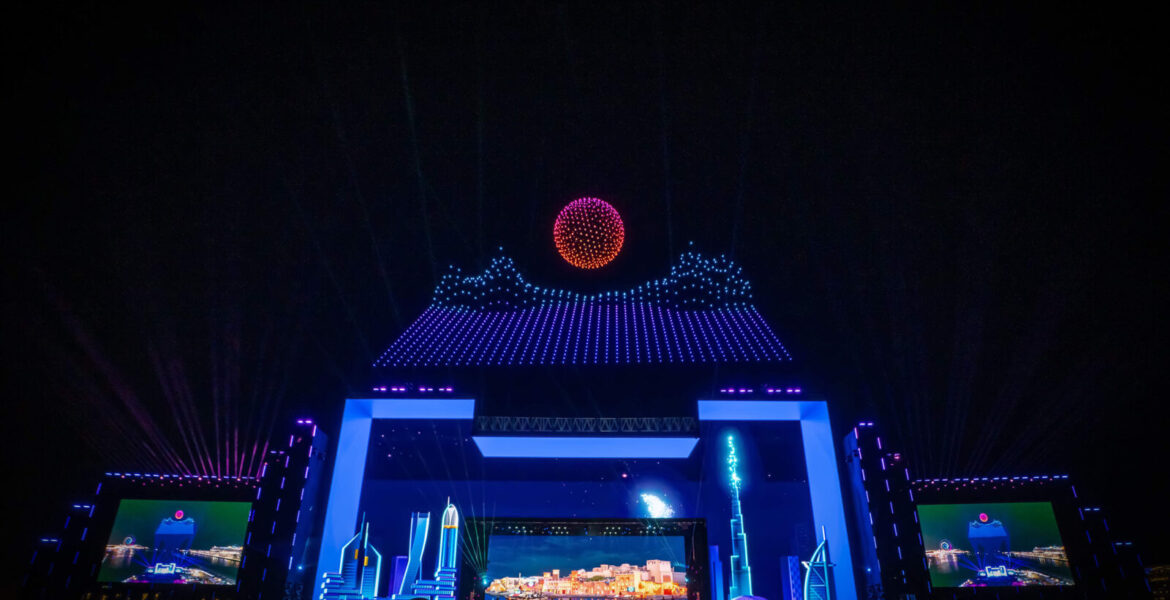
Following the temporary halt of live events during the COVID-19 pandemic, the entertainment sector has seen a remarkable resurgence in 2023. According to a report by the Event Industry Council, live show revenues are projected to reach $30 billion globally this year, marking a 25% increase compared to pre-pandemic levels. Major cities have witnessed a flurry of performances, ranging from intimate theatre productions to large-scale concerts featuring international artists.
Audience Engagement and Experience
The allure of live shows lies in their ability to create a shared experience between the performers and the audience. The raw energy of a live performance, the spontaneity of artist-audience interactions, and the palpable excitement of being part of a crowd contribute to memories that last a lifetime. A survey conducted by Pollstar revealed that 88% of concert-goers believe that live performances provide a sense of connection that recorded music cannot replicate.
The Economic Impact
Beyond entertainment, live shows significantly boost local economies. Venues, hotels, restaurants, and transportation services often see increased business on event days. The UK’s live music sector alone contributes £4 billion annually to the economy, highlighting the economic implications of thriving live shows. Additionally, ticket sales often support local artists and cultural initiatives, enhancing community identity and pride.
Conclusion
As live shows continue to flourish in 2023, their value as a cultural and economic asset becomes increasingly apparent. For audiences, they represent an opportunity to step away from screens and immerse themselves in experiences that stimulate both emotion and thought. The future of live entertainment looks promising, with forecasts indicating that the demand for live events will only grow in the coming years. Ultimately, the significance of shows transcends entertainment; they contribute to the fabric of society and the economy, making them an essential part of our collective life.
You may also like