Introduction
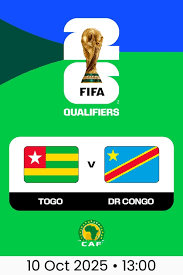
The comparison between Togo and the Democratic Republic of Congo (DR Congo) presents an intriguing examination of two distinct nations in Central and West Africa. Both countries boast rich histories and diverse cultures; however, they significantly differ in their political landscapes, economic development, and social structures. Understanding these differences is vital for those interested in African affairs, international relations, or simply looking to gain a broader perspective on the continent.
Geographical and Cultural Context
Togo is a small, coastal nation situated in West Africa, bordered by Ghana, Benin, and Burkina Faso, with a population of approximately 8 million people. Its capital, Lomé, is known for its vibrant markets and diverse cultural scene, which reflects a mixture of indigenous traditions and colonial influences.
In contrast, the DR Congo is the second-largest country in Africa by land area, located in Central Africa. With a population exceeding 90 million, it is a country rich in natural resources such as diamonds, gold, and cobalt. Kinshasa, the capital, is one of the largest cities in Africa. The DR Congo is characterized by immense ethnic diversity, with over 200 ethnic groups.
Political Landscape
The political systems of Togo and the DR Congo differ markedly. Togo’s government has faced scrutiny for its history of political repression and lack of democratic freedoms, particularly under the long-standing rule of President Faure Gnassingbé, who has been in power since 2005 following his father’s 38-year regime.
On the other hand, the DR Congo has experienced prolonged instability, marked by a civil war that formally ended in 2003 but has left ongoing tensions. President Félix Tshisekedi’s government faces challenges from numerous armed groups and persistent corruption, yet recent elections signify a potential pathway towards greater political stability.
Economic Situation
Economically, Togo has made strides in enhancing its agricultural sector and attracting foreign investment, while seeking to improve its infrastructure. The country’s GDP is relatively modest but shows signs of growth as it diversifies its economy.
Conversely, the DR Congo holds vast wealth in natural resources, yet suffers from poverty and inequality, exacerbated by years of conflict and mismanagement. Resource exploitation, often linked to foreign interests, raises issues surrounding sustainability and local benefit.
Conclusion
The comparison of Togo and the Democratic Republic of Congo illustrates the complexity of African nations, where geography, culture, and politics intertwine to shape each country’s unique identity. As Togo continues to push for democratic reforms and economic growth, the DR Congo grapples with its rich resources amid ongoing challenges. The trajectories of both nations will significantly impact their regional roles and influence on a continental scale as they navigate the future.
You may also like