Introduction
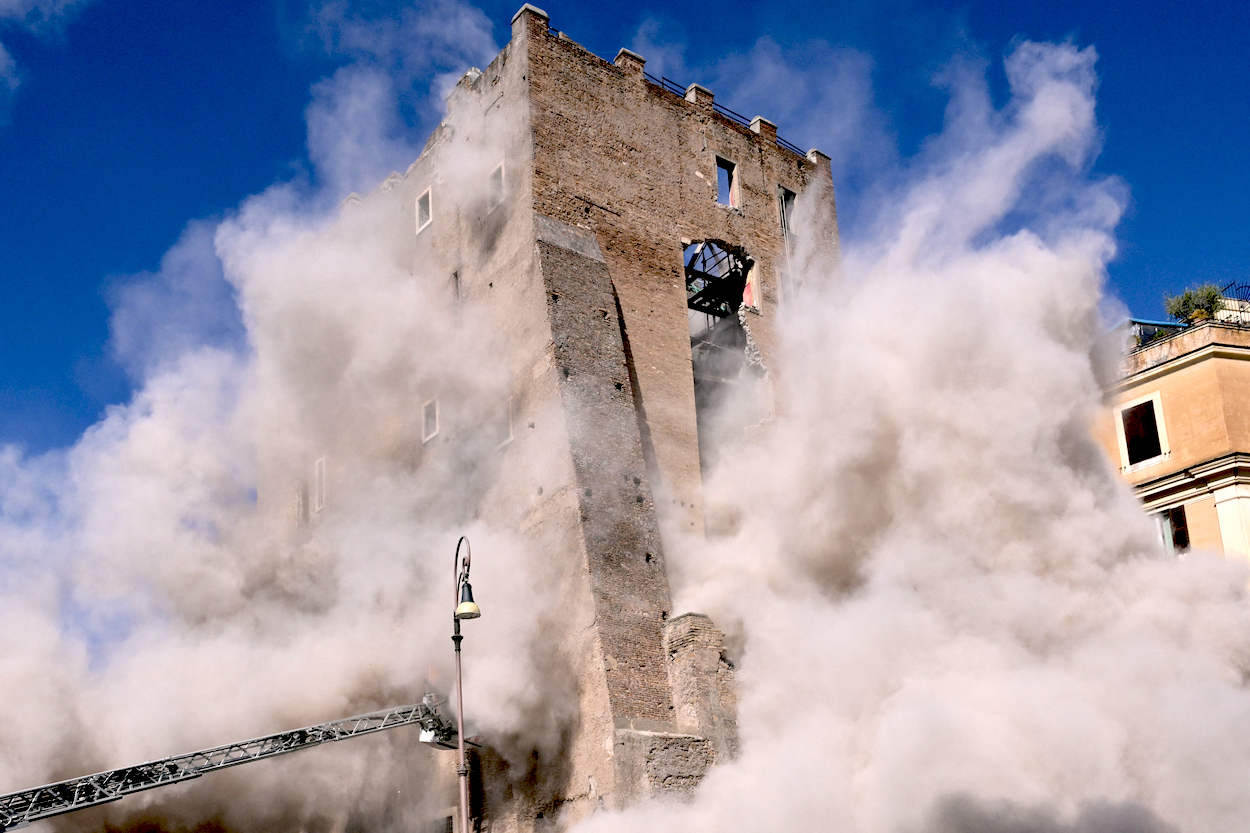
The recent collapse of a historic medieval tower in Rome has raised serious concerns about the preservation of the city’s architectural heritage and the safety of its structures. As one of the oldest cities in the world, Rome is home to countless important historical landmarks, making the integrity of these structures paramount to both locals and tourists. This incident spotlights the challenges faced in maintaining ancient buildings amid modern pressures.
Details of the Incident
On September 23, 2023, the medieval Torre dei Pulcinella, located in the Trastevere neighborhood, suddenly gave way, resulting in a cascade of bricks and debris that shattered onto the street below. Fortunately, the area was relatively quiet at the time, leading to no reported injuries. Authorities swiftly cordoned off the region and began investigations into the cause of the collapse.
Initial assessments suggest that years of neglect, combined with recent heavy rainfalls, may have compromised the structural integrity of the tower. The Torre dei Pulcinella, a landmark often photographed by tourists, had undergone minimal restoration work over the decades, a common fate for many medieval buildings throughout the region.
Public Reaction and Concerns
The incident has sparked public outcry and renewed debates over the need for improved regulation and funding for the maintenance of historic sites in Rome. Citizens are expressing fear that more collapses could occur if immediate action isn’t taken. Local historians and conservationists have underscored the importance of both restoring and protecting these structures, warning that the loss of such sites diminishes the cultural richness of the city.
Future Implications
Following the collapse, city officials have announced a comprehensive review of Rome’s historical buildings to assess their conditions and vulnerabilities. This includes not only the medieval towers but also a multitude of other ancient structures. It is imperative that both local government and private stakeholders engage in the preservation of these cultural artefacts to prevent further incidents.
As Rome grapples with the challenges of balancing urban development and heritage preservation, this tragic collapse serves as a stark reminder of the fragility of its historical treasures. Ensuring safety while valuing the city’s history requires significant investment and commitment from all sectors of society.
Conclusion
The collapse of the medieval tower in Rome points to a growing urgency in addressing the preservation of the city’s architectural gems. With international tourism being a major part of Rome’s economy, the loss of such landmarks could have far-reaching consequences. The upcoming months will be crucial as the city mobilizes resources to protect its legacy for future generations.
You may also like