What do the recent Trump Iran talks in Islamabad signify for the future of U.S.-Iran relations? While the discussions have been described as intensive and cordial, the path to a lasting peace remains fraught with challenges.
On April 11, 2026, the U.S. and Iran engaged in peace talks during a temporary ceasefire, marking the highest level of American contact with Iran since the 1979 Islamic Revolution. The U.S. delegation, led by Vice President JD Vance and special envoy Steve Witkoff, proposed a 15-point plan aimed at resolving ongoing conflicts. Meanwhile, Iran’s parliamentary speaker, Mohammad Bagher Ghalibaf, led his country’s delegation, emphasizing that any agreement must include the unfreezing of sanctioned Iranian assets.
Despite the hopeful atmosphere, significant disagreements lingered after three rounds of negotiations. JD Vance acknowledged the difficulties, stating, “The U.S. could not get to a situation where the Iranians were willing to accept our terms.” This sentiment was echoed by Ghalibaf, who remarked, “Our experience in negotiating with the Americans has always been met with failure and broken promises.” Such statements highlight the deep-seated mistrust that continues to cloud the discussions.
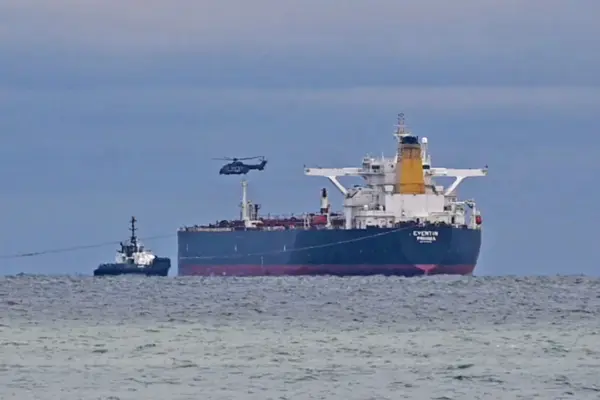
The backdrop of these talks is a complex tapestry of regional tensions. In the days leading up to the negotiations, Israeli strikes in Lebanon resulted in over 350 fatalities, including women and children, contributing to the urgency of finding a diplomatic solution. The U.S. military’s involvement in clearing the Strait of Hormuz of mines, a vital passage for one-fifth of the world’s crude oil, further underscores the critical nature of these discussions.
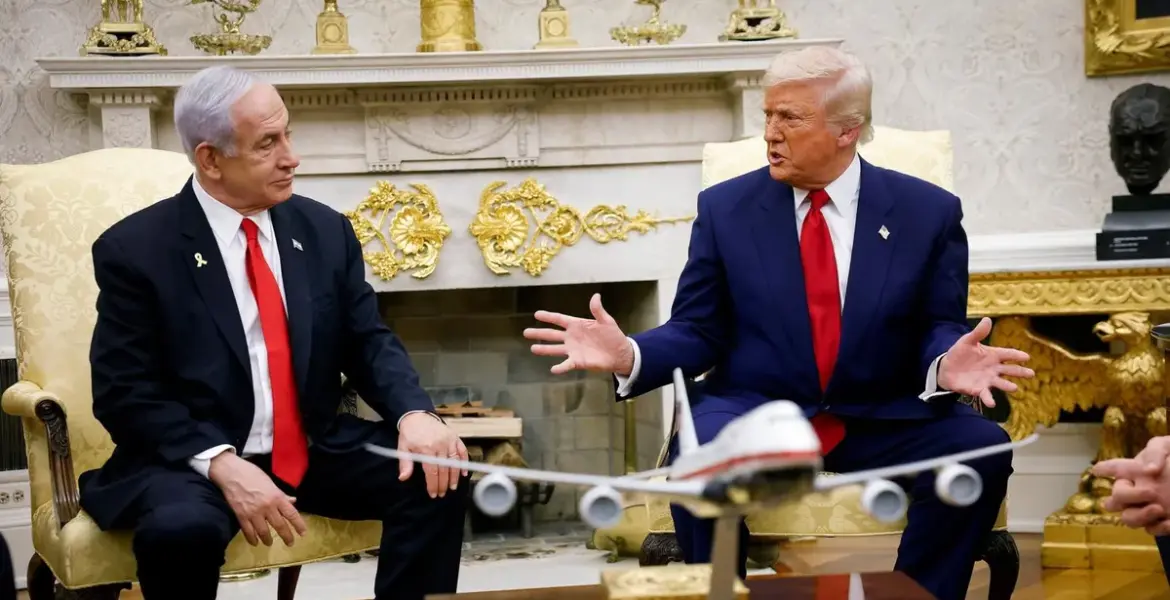
While Trump has expressed a nonchalant attitude towards the talks, claiming, “Whether we make a deal or not makes no difference to me,” the stakes are undeniably high. With approximately 93 million people in Iran watching closely, the implications of these negotiations extend far beyond the negotiating table.
As the world awaits the outcome of these talks, uncertainties loom large. Details remain unconfirmed regarding the exact terms of the U.S. proposal and Iran’s response. Moreover, the potential for further escalation remains a concern, especially given the recent violence in Lebanon and the ongoing military operations in the region.
In the midst of these complexities, a Pakistani official noted, “I can say that discussions are moving positively and the overall atmosphere is cordial.” This statement offers a glimmer of hope, suggesting that despite the challenges, there may be a willingness on both sides to engage in dialogue. However, the road ahead is still uncertain, and the international community watches closely as these pivotal talks unfold.
You may also like