Introduction
Attention Deficit Hyperactivity Disorder (ADHD) is a neurodevelopmental disorder that affects both children and adults, characterized by various symptoms including inattention, hyperactivity, and impulsivity. The increasing prevalence of ADHD diagnoses—affecting approximately 7.1% of children and 2.5% of adults in the UK—highlights the need for greater awareness and understanding of the condition. As discussions surrounding mental health continue to gain momentum, understanding ADHD is essential in fostering a supportive environment for those impacted.
Current Statistics and Trends
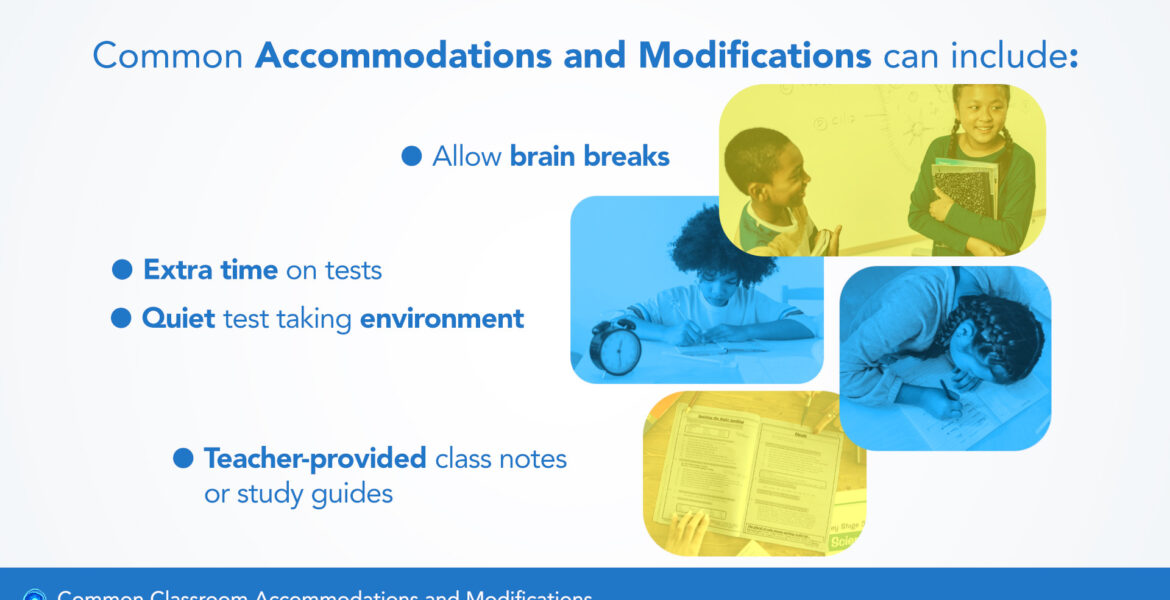
Recent studies show a significant rise in ADHD diagnoses over the past decade. Researchers attribute this increase to better awareness, improved diagnostic techniques, and changes in societal expectations. Schools across the UK are adapting their approaches to cater to students with ADHD, leading to the implementation of Individual Education Plans (IEPs) and tailored teaching methods to enhance learning outcomes.
Recognising Symptoms
ADHD symptoms can vary by individual and may evolve with age. Common signs include difficulty focusing, trouble staying organized, and excessive movement. Children may present impulsive behaviours, resulting in challenges in academic and social settings, while adults might struggle with time management and workplace relationships. These symptoms can profoundly affect an individual’s quality of life, making early recognition and intervention critical.
Treatment and Management Options
Effective treatment for ADHD typically involves a combination of behavioural therapies and medication. Stimulants, such as methylphenidate, are commonly prescribed and are known to enhance focus and self-control in individuals with ADHD. Non-stimulant medications and support therapies, including cognitive behavioural therapy (CBT), are also beneficial in managing symptoms. Parental and educational support plays an integral role in a holistic treatment approach, positively impacting the development and well-being of children with ADHD.
Future Outlook
As society moves towards more inclusive and understanding attitudes regarding mental health, the future looks promising for individuals with ADHD. Continued research is essential in identifying the causes and finding innovative treatment methods. Additionally, increased education and awareness can help reduce stigma and ensure that those with ADHD access the support they need to thrive in their everyday lives.
Conclusion
ADHD is an impactful condition that warrants attention and understanding from both the medical community and society at large. By promoting awareness and establishing robust treatment frameworks, we can foster a supportive environment that encourages individuals with ADHD to reach their full potential.
You may also like