Introduction to Alzheimer’s Disease
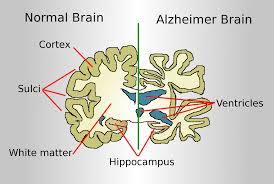
Alzheimer’s disease is a progressive brain disorder that affects memory, thinking, and behaviour. As the most common form of dementia, it presents substantial challenges for individuals, families, and health systems worldwide. With over 55 million people living with dementia globally, the urgency for effective treatments and care strategies is greater than ever.
The Current State of Alzheimer’s Research
Recent advancements in research have brought about new insights into the causes and potential treatments for Alzheimer’s. A study published in The Lancet in 2023 highlighted the role of beta-amyloid proteins and tau tangles in the progression of the disease. Researchers are increasingly focusing on the genetic factors that may contribute to Alzheimer’s, including APOE-e4 gene variations, which increase the risk of developing the disease.
Symptoms and Early Detection
The symptoms of Alzheimer’s typically emerge slowly and progressively worsen, making early detection crucial. Common signs include memory loss, confusion with time or place, difficulty completing familiar tasks, and changes in mood or personality. Health professionals encourage family and caregivers to monitor these symptoms and seek assessments if they notice significant changes in cognitive function.
Care Approaches and Support
The care of individuals with Alzheimer’s is a multifaceted approach, often involving healthcare teams, therapists, and family support systems. Programs focusing on cognitive therapies, engagement in social activities, and routine physical exercise have shown to benefit individuals by slowing cognitive decline. In the UK, organisations like Alzheimer’s Society provide resources and support networks for families navigating the challenges of this disease.
Conclusion and Future Outlook
Alzheimer’s disease remains a major public health issue, with expected cases to rise dramatically in the coming decades due to an ageing population. Continued investment in research and public awareness campaigns can enhance understanding and support for those affected. As researchers explore new treatment avenues and potential preventative measures, there is hope for more effective management strategies in the fight against Alzheimer’s. For families, staying informed and connected with available resources is essential in managing the complexities brought by this challenging condition.
You may also like