The Importance of Recognising Side Effects
Antidepressants are frequently prescribed to manage depression and anxiety, profoundly impacting the lives of millions. However, while their therapeutic benefits are well-documented, side effects like weight gain have sparked increasing concern among healthcare professionals and patients alike. Understanding these implications is crucial for informed treatment decisions.
Link Between Antidepressants and Weight Gain
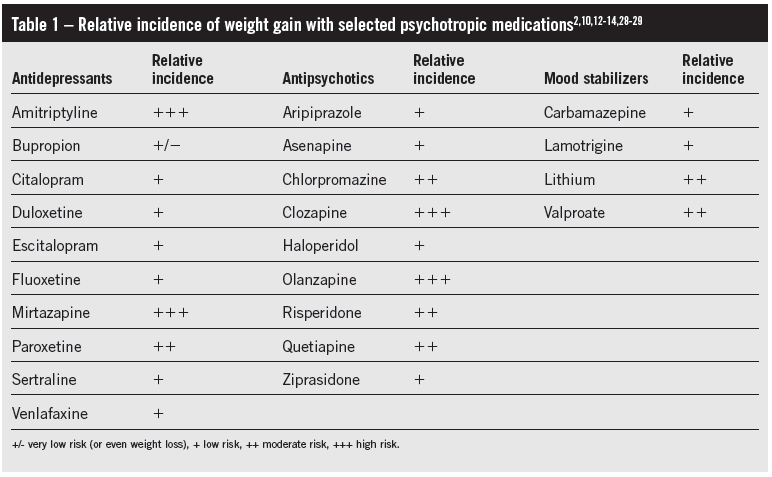
Recent studies indicate that certain antidepressants can contribute to weight gain, with some patients reporting increases of between 5 to 15 pounds over several months of treatment. This side effect is notably prevalent in classes of medications such as Selective Serotonin Reuptake Inhibitors (SSRIs), particularly medications like paroxetine and fluoxetine, and in atypical antidepressants like mirtazapine.
Research published in the *Journal of Clinical Psychiatry* found that patients on SSRIs might experience weight gain due to changes in appetite and metabolism. Moreover, another study highlighted that long-term use of certain antidepressants could lead to a gradual increase in body weight, posing additional health risks such as diabetes and cardiovascular disease.
Factors Contributing to Weight Gain
Several factors may contribute to weight gain among those taking antidepressants. Changes in serotonin levels can lead to increased appetite, while some medications may slow down metabolism. Additionally, the psychological effects of emotional eating, reduced energy levels, and medication adherence can also play a role. Other lifestyle factors, including diet and exercise, may need to be revisited during treatment.
Management and Strategies
For individuals concerned about weight gain while on antidepressants, proactive management is crucial. Consultation with healthcare providers can lead to adjustments in medication or dosage and suggestions for lifestyle changes. For some patients, switching to an antidepressant with a lower risk of weight gain, such as bupropion, may be beneficial. Meanwhile, maintaining a balanced diet and regular physical activity can help offset weight changes.
Conclusion and Future Considerations
The relationship between antidepressants and weight gain underscores the importance of a comprehensive treatment approach that addresses both mental health and physical wellbeing. As awareness grows, future research will likely continue exploring the mechanisms behind this weight gain and how to minimise it. Patients are encouraged to maintain open dialogues with their healthcare providers about any concerns, ensuring tailored treatment that prioritises both physical health and mental wellness.
You may also like