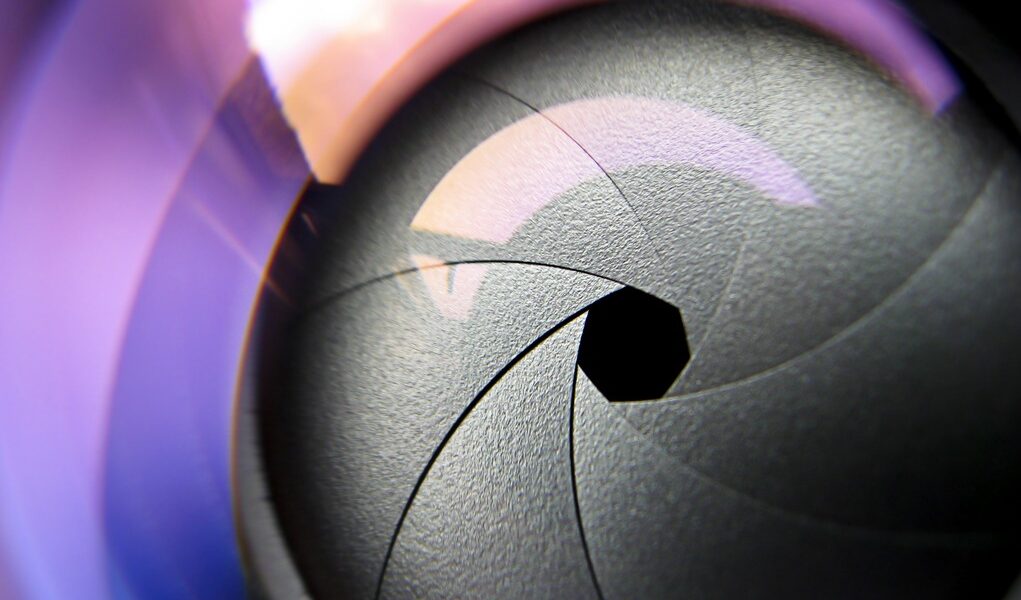
Introduction to Aperture
Aperture is a critical concept in photography that refers to the opening in a camera lens through which light passes. It significantly affects exposure, depth of field, and overall image quality. As photography gains popularity across various platforms, understanding aperture becomes essential for aspiring photographers to enhance their skills and creativity.
How Aperture Works
The aperture size is measured in f-stops, with lower f-stop numbers (such as f/1.8) indicating a larger aperture and higher f-stop numbers (like f/16) representing a smaller aperture. A larger aperture allows more light to reach the camera sensor, which is particularly beneficial in low-light conditions and helps create a shallow depth of field, resulting in a blurred background. Conversely, a smaller aperture enables less light but increases the depth of field, keeping more of the scene in focus—a technique often used in landscape photography.
Current Trends and Innovations
Recent advancements in camera technology have made it easier for photographers to experiment with aperture settings. Higher-end lenses often come with wider maximum apertures, enabling better performance in poor lighting. Additionally, digital post-processing tools now allow photographers to make adjustments to exposure and depth of field after capturing images, further emphasizing the need to understand aperture settings. Furthermore, the trend of low-light photography, thanks to social media platforms, has encouraged many to learn about aperture as a way to stand out and improve their photographic skills.
Practical Tips for Mastering Aperture
1. **Experiment Regularly**: Try shooting the same scene with different aperture settings to see how it affects your images. Pay attention to changes in brightness and depth of field.
2. **Understand the Impact on Shutter Speed**: Remember that changing the aperture also affects shutter speed. A wider aperture allows for faster shutter speeds, whereas a smaller aperture may require longer exposure times.
3. **Use the Right Lens**: Choosing a lens with a suitable maximum aperture is essential based on your shooting needs. Wide-angle and prime lenses often offer lower f-stops, great for portraits and low-light situations.
Conclusion
Understanding aperture is crucial for anyone looking to take their photography to the next level. By mastering this concept, photographers can have greater control over their images, leading to more impactful and professional-quality photographs. As technology continues to advance, the importance of learning how to skillfully manipulate aperture will remain a significant factor in photographic success.
You may also like