Introduction
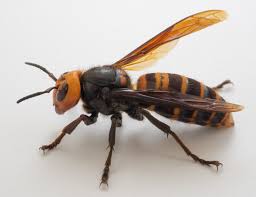
Asian giant hornets (Vespa mandarinia), known for being the largest hornet species globally, have become a significant concern in various regions, particularly in North America. These hornets pose not only a threat to local bee populations but also to human health due to their aggressive nature. The emergence of these hornets in new territories raises vital questions about their ecological impact and the measures needed to manage their populations effectively.
Recent Developments
In recent years, reports of Asian giant hornets in the United States have alarmed environmentalists and farmers alike. The first confirmed sighting in Washington State was in late 2019, and subsequent efforts to control their spread have been ongoing. These hornets are formidable predators of honeybees, with a single hive capable of killing thousands of bees in a matter of hours during their ‘slaughter phase’ when they establish dominance over a bee colony.
In response to the threat, various states have initiated monitoring and control programmes. For instance, Washington State has set traps and deployed entomologists to trap and eradicate these hornets. According to the Washington State Department of Agriculture, these efforts will continue until the hornet population is effectively managed to prevent further establishment in the region.
Ecological Impact
The arrival of Asian giant hornets could significantly disrupt local ecosystems. Honeybees, which are essential pollinators for many crops and wild plants, have already experienced population declines due to various factors, including habitat loss, disease, and pesticides. The addition of a predator like the Asian giant hornet could exacerbate these challenges, potentially leading to shifts in pollination patterns and food production.
Conclusion
As the presence of Asian giant hornets expands, it is vital for individuals, farmers, and local governments to remain vigilant and proactive in monitoring their activities. The ecological consequences of their invasion could be significant, affecting not just bee populations but also broader environmental health and agriculture. Forecasts indicate that with continued awareness and strategic management, the impact of Asian giant hornets can be mitigated, thus preserving the balance of local ecosystems and safeguarding food sources.
You may also like