Introduction
Bloody Sunday, which occurred on 30 January 1972 in Derry, Northern Ireland, remains one of the most significant and tragic events in the history of the Troubles. This day witnessed the deaths of 14 unarmed civil rights demonstrators shot by the British Army during a peaceful protest against internment. The event not only intensified the violent conflict in Northern Ireland but also played a major role in shaping public perception and policy on both sides of the political spectrum.
Details of the Event
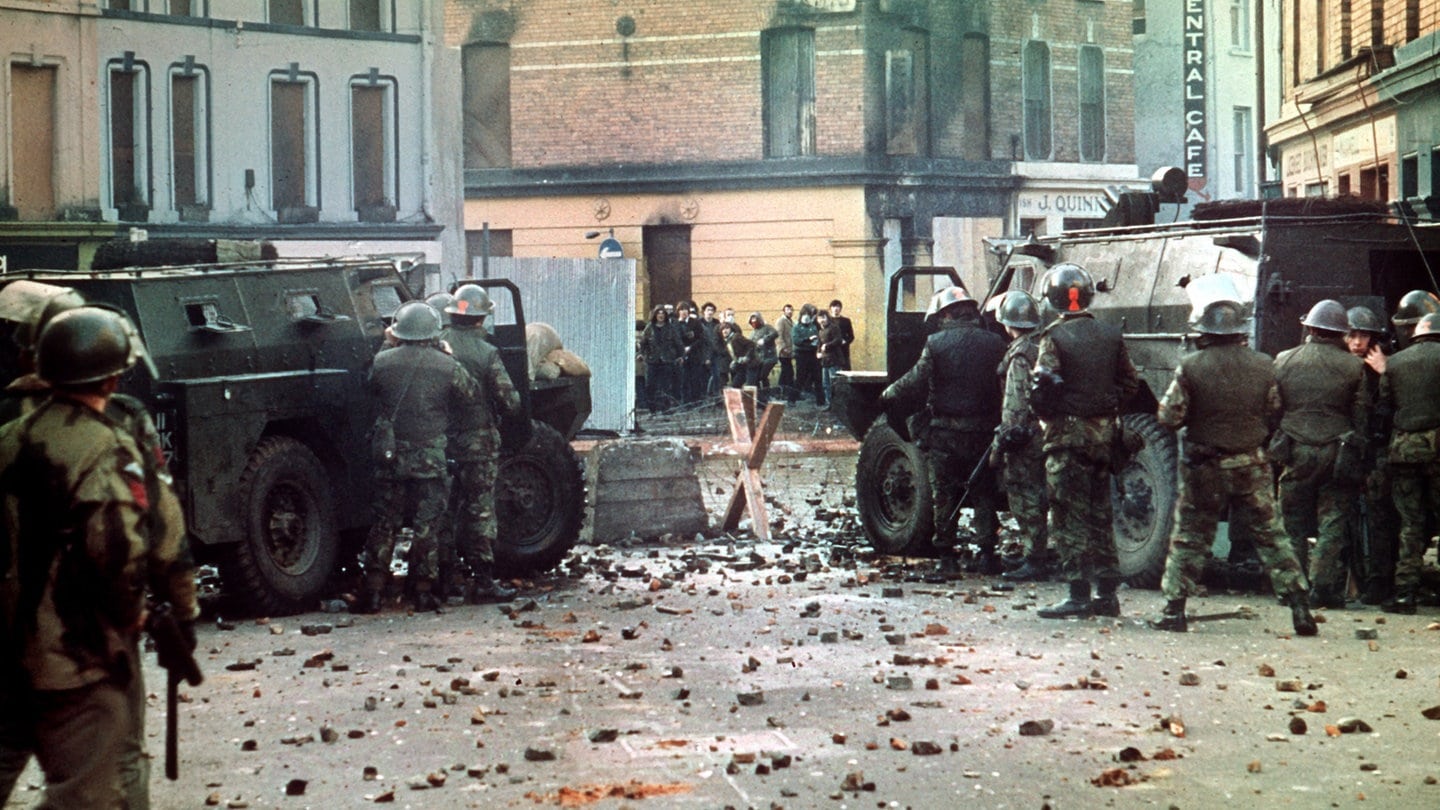
The march in Derry was organised by the Northern Ireland Civil Rights Association to protest the government’s policy of internment without trial, which disproportionately affected the Catholic community. Thousands participated in the march, carrying slogans demanding civil rights and justice. What started as a peaceful protest escalated into a confrontation when the British Army, deployed to the area, clashed with demonstrators.
On that fateful day, soldiers from the Parachute Regiment fired live ammunition into the crowd, resulting in the deaths of 14 people and injuring many others. Eyewitness accounts suggest that the army fired indiscriminately, leading to widespread outrage.
Aftermath and Consequences
The immediate aftermath of Bloody Sunday was marked by shock and grief. National and international condemnation of the British Army’s actions ensued, leading to increased support for the Provisional Irish Republican Army (IRA) among the Catholic community. The event spurred a cycle of retaliatory violence, further deepening the sectarian divide.
Several investigations were launched, including the Widgery Tribunal, which controversially exonerated the soldiers involved. It was not until 2010, with the publication of the Saville Report, that the British government formally acknowledged the wrongdoing and offered an unreserved apology to the victims’ families.
Conclusion
Bloody Sunday was a pivotal moment that significantly influenced the trajectory of the Northern Ireland conflict. Its repercussions were felt for decades, leading to further violence and a long struggle for peace. Understanding Bloody Sunday is crucial for acknowledging the historical contexts and complexities surrounding the Troubles in Northern Ireland. As we reflect on this event, it is vital to foster discussions about reconciliation and peace to prevent history from repeating itself.
You may also like