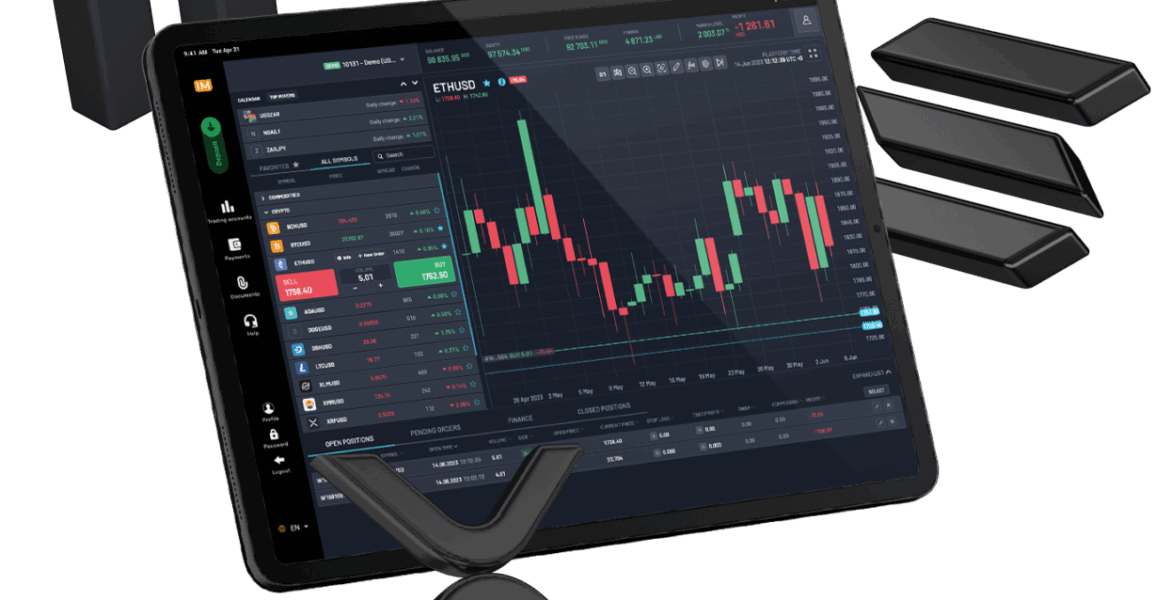
The Importance of Cryptocurrency Trading
In recent years, cryptocurrency trading has gained tremendous popularity as digital assets have surged in value and frequent media coverage has drawn attention to the topic. Individuals and institutions alike are exploring the potential for profit in the fast-paced world of Bitcoin, Ethereum, and other altcoins. The relevance of this market cannot be understated, especially in light of increased regulatory scrutiny and market volatility.
Current Trends in Cryptocurrency Trading
As of 2023, data indicates that the overall cryptocurrency market capitalisation exceeds $2 trillion, with more than 19,000 cryptocurrencies being actively traded. This unprecedented growth invites both opportunities and challenges. Increasing interest from traditional investors and the rise of trading platforms such as Binance, Coinbase, and Kraken have democratized access to cryptocurrency trading. Moreover, the advent of decentralised finance (DeFi) has transformed trading practices, allowing users to earn yields and trade without intermediaries.
The Impact of Regulation
Regulatory developments play a crucial role in cryptocurrency trading. In the United Kingdom, the Financial Conduct Authority (FCA) has implemented measures aimed at protecting customers and ensuring transparency in the market. Recent regulations require crypto firms to register and comply with anti-money laundering (AML) policies, which is seen as a positive move towards legitimising the market and fostering wider adoption.
Strategies for Successful Trading
Traders are adopting a variety of strategies in 2023, from day trading to long-term investments. Technical analysis involving charts and indicators, such as moving averages and the Relative Strength Index (RSI), are commonly used to make informed trading decisions. Additionally, the practice of dollar-cost averaging allows investors to mitigate volatility by purchasing assets at regular intervals.
Future Outlook
Looking ahead, analysts predict that cryptocurrency trading will continue to evolve as new technologies emerge, including improvements in blockchain scalability and user interface enhancements on trading platforms. Furthermore, the anticipated launch of central bank digital currencies (CBDCs) could also reshape the landscape, potentially integrating traditional finance with digital currencies.
Conclusion
In conclusion, cryptocurrency trading remains a pivotal aspect of the financial landscape in 2023. With its rapid advancements and inherent volatility, both new and seasoned traders must remain informed and adaptable to leverage the opportunities available in this dynamic market. As regulatory frameworks continue to develop alongside technological innovations, the future of cryptocurrency trading appears promising yet requires caution and informed decision-making.
You may also like