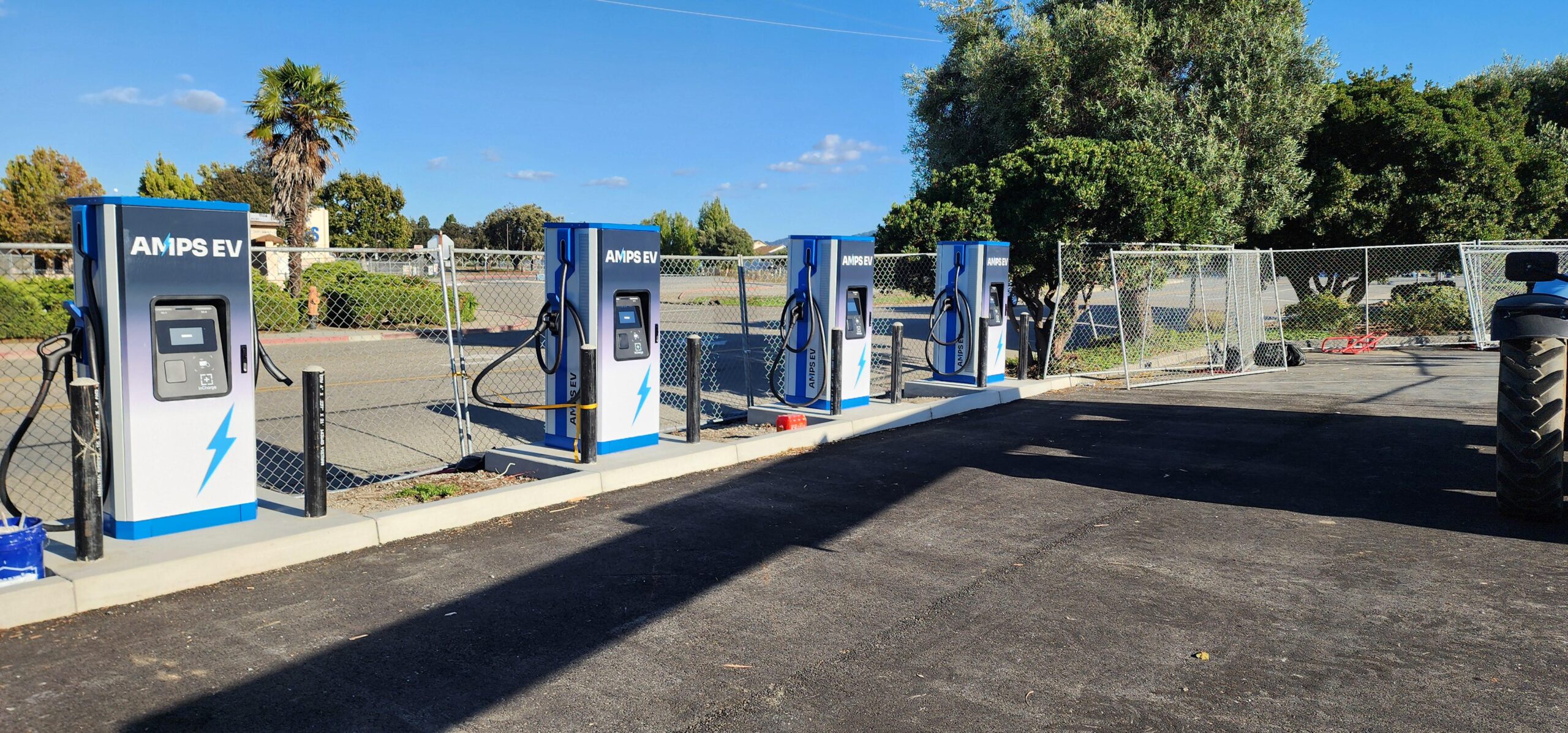
Introduction to DCFC
Direct Current Fast Charging (DCFC) is rapidly gaining traction as a fundamental component of the growing electric vehicle (EV) infrastructure. With the increasing adoption of electric cars, the importance of viable and efficient charging solutions cannot be overstated. DCFC provides a promising solution to the challenge of charging EVs quickly and effectively, enabling drivers to recharge their batteries in a matter of minutes rather than hours.
The Growth of DCFC Technology
According to the International Energy Agency (IEA), the number of electric vehicles on the road surpassed 10 million in 2020, and this number is projected to reach 145 million by 2030 if governments around the world continue to promote EV adoption. As a result, the demand for fast and accessible charging options like DCFC is likely to increase significantly.
DCFC stations are typically capable of delivering a charge of 50 kW, with some of the latest technology providing up to 350 kW of power. This means that an EV can be charged to 80% in as little as 15-30 minutes, considerably reducing downtime for drivers on the road. This technology is essential, especially as urban planners and governments look to build a comprehensive charging network that can support the anticipated influx of electric vehicles.
Recent Developments in DCFC Infrastructure
In recent months, numerous companies have made strides in expanding the DCFC infrastructure. For instance, Electrify America announced plans to install over 3,500 charging stations across the United States, with a significant number being DCFC units. Similarly, initiatives in Europe, such as the European Alternative Fuels Infrastructure Directive, aim to ensure that the continent’s charging network is capable of supporting millions of electric vehicles in the coming years.
In the UK, the government has committed to investing £400 million towards expanding the electric vehicle charging network. This includes a focus on fast and ultra-fast charging, which is crucial for reducing range anxiety among potential EV drivers.
Challenges Ahead
Despite the promising outlook, challenges remain for the widespread implementation of DCFC technology. Significant considerations include the high cost of installing fast charging stations and the need for extensive upgrades to national grid infrastructure to handle increased electricity demand. Furthermore, standardisation remains a pressing issue, as the lack of uniform charging standards can complicate the user experience for drivers.
Conclusion
The rise of DCFC technology is pivotal for the continuous growth of electric vehicles, presenting consumers with the opportunity for fast and efficient charging solutions. As investments in infrastructure increase and technology improves, the transition towards electric mobility will likely gain momentum. Ultimately, the successful integration of DCFC could play a crucial role in addressing both environmental concerns and the future of sustainable transport.
You may also like