Introduction
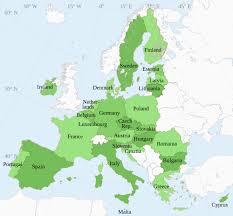
The European Union (EU) represents one of the most significant political and economic partnerships in the world. Established to promote integration and cooperation among its member states, the EU comprises 27 countries as of 2023. Understanding the composition of EU countries not only highlights their collective strength but also the diversity of cultures, economies, and political systems within Europe.
Current EU Member States
As of 2023, the European Union is comprised of the following member states:
- Austria
- Belgium
- Bulgaria
- Croatia
- Cyprus
- Czech Republic
- Denmark
- Estonia
- Finland
- France
- Germany
- Greece
- Hungary
- Ireland
- Italy
- Latvia
- Lithuania
- Luxembourg
- Malta
- Netherlands
- Poland
- Portugal
- Romania
- Slovakia
- Slovenia
- Spain
- Sweden
The EU is notable for its initiatives aimed at facilitating free movement of goods, capital, services, and people across member states, which has created a single market that enhances trade and economic connectivity.
Political and Economic Impact
The EU plays a crucial role in shaping policies that affect not only member states but also the global community. Through coordinated legislation, the EU addresses a myriad of issues including environmental protection, consumer safety, and human rights. Furthermore, the EU’s economic policies and regulatory framework are influential, impacting global trade norms.
Recent Developments
As the geopolitical landscape evolves, the EU has faced numerous challenges, such as the UK’s exit from the union (Brexit) and economic recovery post-COVID-19 pandemic. Recently, discussions have intensified regarding EU enlargement, with several countries expressing their aspirations to join the union, including potential candidates like Ukraine and the Western Balkan states.
Conclusion
The significance of EU countries extends beyond mere political affiliation; they constitute a vital economic bloc that influences global affairs. As the EU continues to adapt to internal and external pressures, the unity and collaboration among member states remain crucial for sustained progress. For readers, keeping abreast of developments within the EU is essential, especially as they affect international relations, trade policies, and regional stability across Europe.
You may also like