Introduction to Flight Radar Technology
Flight radar technology has rapidly transformed air travel, enabling both enthusiasts and industry professionals to monitor global air traffic in real-time. In an era where safety and efficiency are paramount, flight radar plays a crucial role in the aviation industry by providing live updates on flight routes, altitudes, and air traffic conditions. The importance of this technology cannot be overstated, as it enhances passenger safety and improves operational management for airlines.
How Flight Radar Works
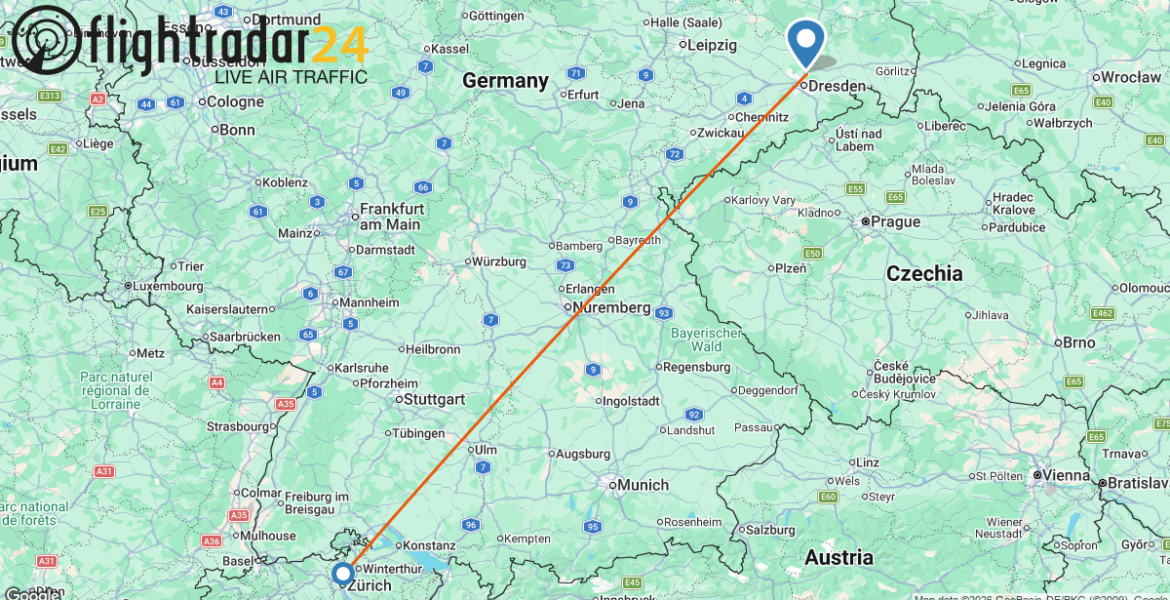
Flight radar systems operate using a combination of satellite and ground-based technologies. These systems collect data from various sources, including radar installations, transponders on aircraft, and other surveillance tools. This data is then compiled and presented to users in an accessible format, often through web-based applications or mobile apps. Users can see current flights, their positions, flight numbers, departure and arrival airports, and even estimated times of arrival.
Recent Advances in Flight Radar Technology
Recent developments in flight radar technology have introduced features such as enhanced tracking accuracy and expanded coverage areas, including regions previously underserved by traditional radar systems. With the increase in air traffic, especially post-pandemic recovery, companies specializing in flight tracking have upgraded their systems to handle larger volumes of data efficiently. Furthermore, advancements in artificial intelligence are helping to predict flight delays and optimize routing, benefitting both airlines and passengers alike.
Importance for Consumers and the Aviation Industry
For consumers, flight radar is an invaluable tool, allowing passengers to check real-time flight statuses, which is crucial for making informed travel decisions. Parents can track their children’s flights, while those meeting arrivals can stay updated on any changes. For airlines and air traffic controllers, flight radar improves communication and enhances decision-making processes, ensuring smoother operations and a reduction in congestion.
Conclusion and Future Outlook
The significance of flight radar technology extends beyond mere convenience; it represents a paradigm shift in air traffic management, leading to safer and more efficient travel experiences. As technology continues to evolve, we can expect further innovations that will enhance real-time tracking capabilities and improve overall air traffic safety. The future of flight radar looks promising, with potential developments in drone tracking and integration with other transport modes, ultimately shaping how we perceive and navigate airspace.
You may also like