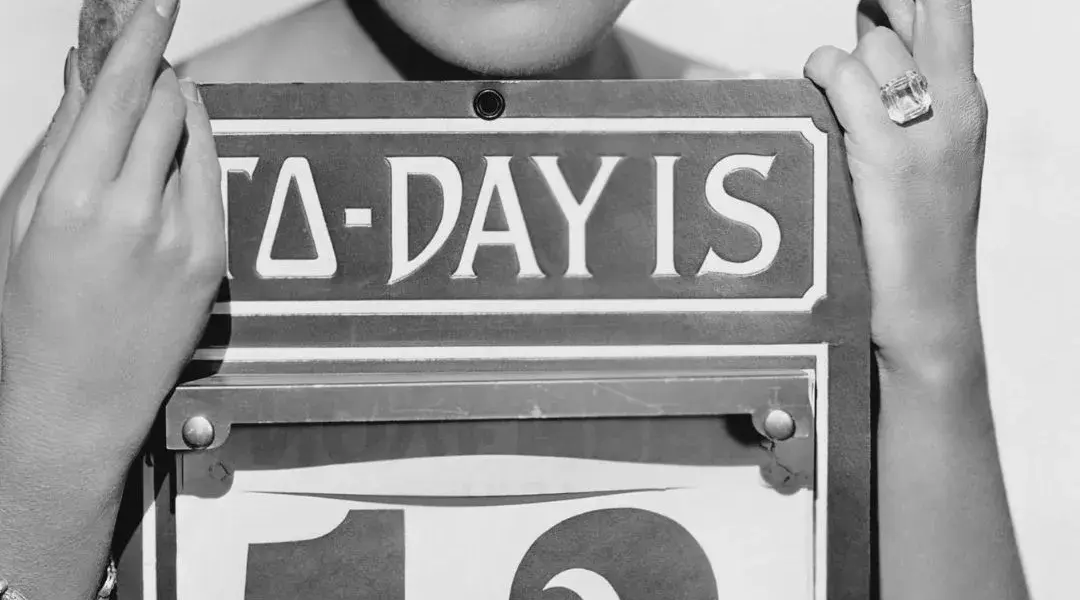
The Significance of Friday the 13th
Friday the 13th is often regarded as an ill-fated day, steeped in superstition and cultural lore. Many believe that this day brings misfortune, a belief that can be traced back to various historical and mythological origins. The day has gained significant attention in modern popular culture, notably through films and literature, which have perpetuated the fear surrounding it. Given that this day occurs at least once a year and up to three times in a year, understanding its implications becomes crucial for both cultural awareness and personal mindfulness.
The Origins of the Superstition
The fear of Friday the 13th, known as paraskevidekatriaphobia, is considered one of the most prevalent superstitions in Western culture. Its origins may date back to the Last Supper, where Judas Iscariot, the 13th guest, betrayed Jesus on a Friday. Other theories suggest that the number 13 is considered unlucky due to its irregularity in historical counting systems or because it disrupts the symmetry of the number 12, which often signifies completeness (12 months in a year, 12 zodiac signs, etc.).
Current Events and Cultural Impact
In recent years, the themes stirred up by Friday the 13th have manifested in several cultural phenomena. For instance, social media channels often buzz with playful posts sharing things to avoid on this day, from missteps in daily life to superstitious behaviours. Some businesses take advantage of the day for promotional events, with discounts tied to customers purchasing 13 items or offering special services on this date as a gimmick.
Interestingly, while many may take the day seriously as an ominous indication, studies have shown that statistically, this day does not correlate with a higher volume of accidents or unfortunate events. For example, research from the University of Oxford found no significant spike in reported incidents on Fridays that fell on the 13th when compared to other days.
Conclusion: Embracing and Understanding the Day
In conclusion, while Friday the 13th continues to be a focal point of superstition and caution, it also represents a chance for introspection and overcoming irrational fears. As modern society evolves, it becomes essential to remain aware of both the cultural significance of this day and the playful yet critical approach to such traditions. By embracing and understanding its myths, individuals may find ways to mitigate the negativity often associated with it—turning it instead into a day of humour, caution, and reflection. As we approach the next Friday the 13th, whether we choose to engage with its traditions or dismiss them, it remains a fascinating aspect of our collective cultural identity.
You may also like