Introduction
Generation Z, commonly referred to as Gen Z, encompasses individuals born from the mid-to-late 1990s through the early 2010s. As the first generation to grow up with the internet and social media from a young age, Gen Z is significantly shaping modern culture, consumer behaviour, and workplace dynamics. Understanding their traits and preferences is crucial for businesses and policymakers, as this cohort is expected to have a profound impact on the economy and society in the coming years.
Characteristics of Gen Z
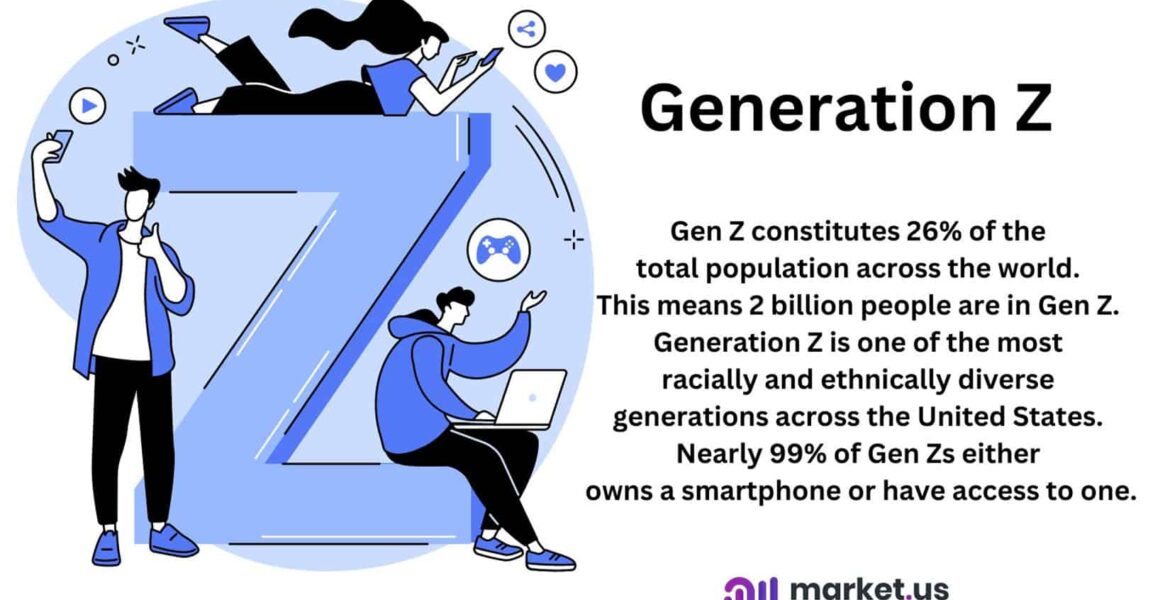
Gen Z is known for its digital savviness, with nearly 98% of them owning a smartphone. They are often described as pragmatic and financially-minded, influenced by growing up during economic uncertainty and the Covid-19 pandemic. According to a 2022 survey by Gallup, 71% of Gen Z respondents stated that being financially stable is their top priority. This generation is also marked by a strong commitment to social justice, climate change awareness, and inclusivity, valuing brands that reflect their ideals.
Trends within Gen Z
Recent studies reveal that Gen Z is driving trends in various sectors, including fashion, entertainment, and technology. Sustainable fashion has gained traction, with 63% of Gen Z consumers willing to pay more for sustainable products, according to a report by McKinsey. In entertainment, platforms like TikTok are becoming increasingly popular, allowing Gen Z to create and share content in a way that resonates with their peers. Their preference for short, engaging videos is reshaping how brands approach marketing.
The Workplace and Gen Z
Gen Z’s entry into the workforce is prompting significant shifts in workplace culture. A report by LinkedIn highlighted that this generation values meaningful work, flexibility, and a positive work-life balance. Companies are responding by adopting remote work policies and prioritising mental health initiatives to attract and retain talent. Moreover, diversity and inclusion are non-negotiable for Gen Z employees, influencing hiring practices and company culture.
Conclusion
As society adapts to the characteristics and preferences of Gen Z, the implications are vast. This generation’s influence on market trends, workplace expectations, and social issues will continue to grow, making it essential for businesses and governments to pay attention. Embracing their values and harnessing their creativity could lead to innovation and progress in various fields. Understanding Gen Z is not merely an advantage but a necessity for thriving in an increasingly youth-driven world.
You may also like