Introduction
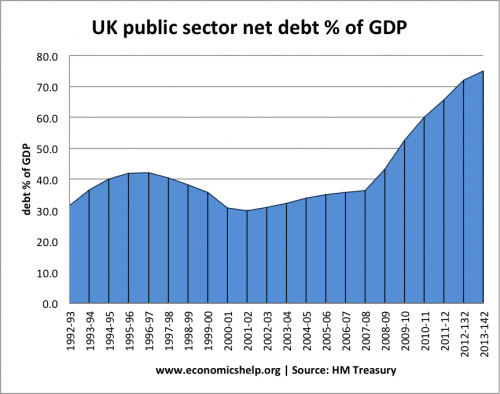
Government borrowing has become a critical topic in economic discussions, especially as nations navigate post-pandemic recovery and rising inflation concerns. In the UK, understanding the implications of government borrowing is essential for citizens, policymakers, and economists alike. The significance of this topic lies in its impact on national debt levels, interest rates, and overall economic stability.
Current State of Government Borrowing
As of October 2023, the UK government continues to grapple with significant borrowing requirements. According to the Office for National Statistics (ONS), public sector net borrowing for September 2023 reached approximately £20 billion, a notable increase from the same period last year. This uptick in borrowing is largely attributed to government spending aimed at mitigating the effects of rising energy costs and funding social services amidst inflationary pressures.
The Bank of England’s Monetary Policy Committee has reported that elevated inflation, which stood at around 6.1% in September 2023, is compelling the government to borrow more to ensure economic support remains available. With rising costs affecting services and households, the government is under pressure to maintain fiscal stability while managing a growing budget deficit.
Implications of Increased Borrowing
Increased government borrowing can have several implications for the UK economy. While it may provide immediate relief and prevent a deeper recession, it also raises concerns about long-term debt sustainability. Economists warn that if borrowing continues to escalate without corresponding economic growth, it could lead to higher taxes in the future, potentially stifling economic activity.
Furthermore, a large national debt may impact the UK’s credit rating and increase borrowing costs for the government in the bond markets, which could, in turn, affect taxpayers. Moreover, interest rates are expected to remain influenced by these dynamics, as the Bank of England might adjust monetary policy in response to government borrowing needs.
Conclusion and Future Outlook
As the UK navigates the complexities of government borrowing, it is crucial for both policymakers and the public to remain informed about its potential impacts. The current trend suggests that borrowing will continue to play a pivotal role in shaping the economic landscape, particularly as the government seeks to balance support for vulnerable sectors with fiscal responsibility.
Looking ahead, analysts predict that while some additional borrowing may be necessary in the short term, a focused plan will be essential to manage and reduce the national debt over time. The ability of the government to stimulate economic growth through effective policies and investments will ultimately determine the sustainability of current borrowing levels and, by extension, the economic wellbeing of the UK in the years to come.
You may also like