The Importance of Guy Fawkes Day
Guy Fawkes Day, also known as Bonfire Night, is commemorated every year on November 5th in the United Kingdom. This day marks the foiling of the Gunpowder Plot of 1605 when Guy Fawkes and a group of conspirators attempted to blow up the Houses of Parliament in London in a bid to assassinate King James I. As a significant historical event, Guy Fawkes Day serves as a reminder of the importance of government accountability and the rule of law.
The Historical Context
On the night of November 4, 1605, Guy Fawkes was arrested while guarding explosives stored beneath the House of Lords. Following the plot’s failure, the conspirators were executed, and the event marked a turning point in British history, reflecting the tensions between Catholics and Protestants. Over the years, the observance of this day transformed into a public holiday, celebrating the preservation of the monarchy and parliamentary democracy.
Traditions and Celebrations
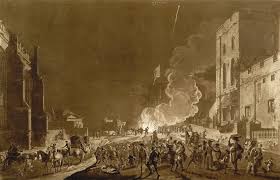
Guy Fawkes Day is celebrated with various traditions, including bonfires, fireworks, and effigies of Fawkes burned in effigy. Many communities organise large bonfire displays, featuring fireworks and food stalls, with families gathering to enjoy the evening. The phrase “Remember, remember the fifth of November” has become synonymous with the day, often recited in homes across the country. As the years have passed, the day has evolved beyond its original political meaning, becoming a festive occasion for people of all ages.
Modern Significance
In recent years, the celebrations have faced scrutiny, with concerns about safety regarding fireworks and bonfires. Local authorities have increased regulations to ensure public safety, leading to a more regulated but still vibrant observance of the day. Despite the potential safety issues, the significance of Guy Fawkes Day continues to thrive, inviting discussions on historical narratives, cultural identity, and civic responsibility.
Conclusion
Guy Fawkes Day remains a fundamental part of British culture, rooted in history yet evolving through modern practices. As communities come together to commemorate this historic event, they not only celebrate the past but also reflect on the values of democracy and governance that are ever-relevant today. The continued interest in the day suggests that Guy Fawkes will remain a pivotal date on the calendar for years to come, providing an opportunity for reflection and celebration alike.
You may also like