Introduction
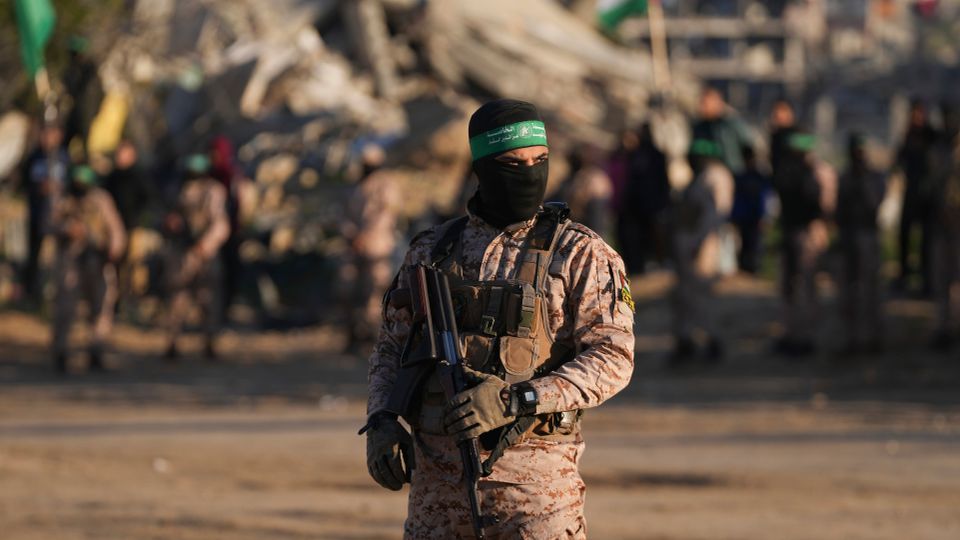
The topic of Hamas has gained considerable attention in global news, particularly due to the ongoing conflict in the Middle East. As a significant political and military entity in the Palestinian territories, Hamas’s actions and policies have profound implications for regional stability, international relations, and humanitarian conditions in Gaza and beyond. Understanding this group is critical to comprehending the complexities of conflict in the region.
Background of Hamas
Founded in 1987 during the First Intifada, Hamas is an Islamist militant group and political organisation that aims to establish an Islamic state in historic Palestine. It emerged from the Muslim Brotherhood and distinguishes itself from the Palestinian Authority (PA) through its armed resistance against Israel. Hamas gained political control over the Gaza Strip in 2007 after winning parliamentary elections in 2006, leading to a split with the PA, which governs parts of the West Bank.
Recent Events Involving Hamas
The current geopolitical landscape is heavily influenced by recent escalations in violence. In October 2023, Hamas conducted a surprise attack on southern Israel, resulting in significant casualties and leading to widespread military retaliation from Israel. This renewed conflict has drawn international condemnation and calls for ceasefires amid escalating humanitarian concerns in both Israel and Gaza.
The situation has further complicated diplomatic efforts involving other regional players, including Egypt and Qatar, who traditionally mediate between Hamas and Israel. The international community is watching closely, as the repercussions of this renewed violence could lead to extensive destabilisation—not only in the Gaza Strip but also in neighbouring countries.
Consequences and Future Outlook
The ongoing conflict highlights the intricate balance of power in the region. For residents of Gaza, the effects are dire, with increased airstrikes resulting in civilian casualties and a humanitarian crisis intensified by ongoing blockades. In response, humanitarian organisations are calling for aid and increased dialogue to reduce tensions and address the immediate needs of those affected. On the other hand, Israeli citizens continue to confront security threats, leading to heightened military presence and responses.
Looking ahead, the role of Hamas as both a political entity and a militant group will remain critical to understanding the future of Israeli-Palestinian relations. Analysts suggest that interim solutions may be necessary to foster dialogue and ensure long-term peace, yet with Hamas’s stance on Israel and the ongoing violence, achieving a sustainable resolution remains a challenging endeavor.
Conclusion
In conclusion, Hamas is not just a crucial player in the Palestinian struggle but also a significant factor in broader Middle Eastern politics. Given the current events, it is imperative for concerned stakeholders and the international community to engage more robustly in dialogue and humanitarian efforts to stave off further escalation and to promote peace in this troubled region.
You may also like