Introduction
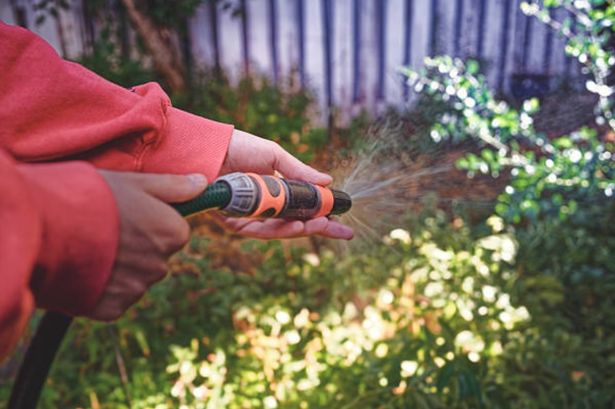
Hosepipe bans have become a pressing concern across the UK as prolonged periods of drought impact water availability. With climate change contributing to fluctuating weather patterns, understanding these restrictions is crucial for residents looking to conserve water during critical times. Recent bans have disrupted gardening, car washing, and other leisure activities, raising awareness about the importance of responsible water usage.
Current Hosepipe Bans in the UK
As of October 2023, several regions in England, including parts of the South East and East Anglia, face hosepipe bans implemented by local water authorities. Thames Water, one of the largest water suppliers in the country, announced its ban in August due to insufficient rainfall and increasing demand on water supplies. Other water companies, such as Southern Water and Anglian Water, have followed suit, leading to widespread restrictions on non-essential water use.
These bans typically prohibit activities such as watering gardens, filling swimming pools, and washing vehicles, though exceptions exist for essential uses like medical needs and maintaining livestock. Water companies have called on residents to comply with these measures to prevent further strains on water resources, stressing the need for community commitment to water conservation.
Reasons Behind the Bans
One significant factor behind the implementation of hosepipe bans is the UK’s changing climate, with increased temperatures and irregular rainfall patterns. According to the UK Met Office, regions have experienced below-average rainfall for several consecutive months, exacerbating the water crisis. Additionally, population growth in urban areas has led to higher water consumption, prompting water companies to reassess their supply capabilities.
Implications for Residents
The impact of hosepipe bans is highly visible amongst residents who rely on water for gardening and outdoor activities. Many gardeners have expressed frustration, with some opting to find alternative methods, such as using greywater for irrigation. On a broader scale, these bans highlight the urgent need for sustainable water practices among the public. Water-saving appliances, rainwater harvesting systems, and drought-resistant landscaping are becoming increasingly popular solutions.
Conclusion
As hosepipe bans become more frequent due to climate challenges, it is imperative for residents to adapt their habits towards sustainable water use. These restrictions serve as a crucial reminder of our shared responsibility to conserve water resources. Looking ahead, experts predict that hosepipe bans may be a regular feature of life in the UK, urging individuals and communities to embrace conservation efforts to mitigate future restrictions. By adopting mindful water usage now, we can ensure a more secure and sustainable water future for everyone.
You may also like