Introduction
The relationship between Israel and Iran is one of the most complex and contentious in the Middle East. With geopolitical stability in the region increasingly challenged, understanding the dynamics between these two nations is more crucial than ever. This interplay not only impacts their national interests but also has far-reaching implications for global security and diplomacy.
Historical Context
Historically, Israeli-Iranian relations transformed dramatically following the 1979 Iranian Revolution, which led to the establishment of the Islamic Republic of Iran. Once allies, the countries quickly became adversaries, driven by ideological differences and competing regional ambitions. Iran’s anti-Zionist stance intensified, and Israel views Iran’s nuclear programme as one of its most pressing security threats.
Current Events
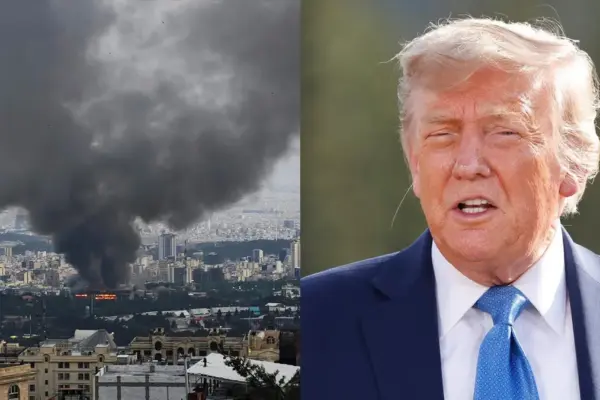
As of late 2023, tensions are at a boiling point. Recent developments include Iran’s ongoing nuclear activities, which have prompted Israel to escalate its countermeasures, including diplomatic moves and potential military strategies. In October 2023, Israeli Prime Minister Benjamin Netanyahu emphasised the need for international action against Iran’s nuclear advancements during a speech at the United Nations, urging for tougher sanctions.
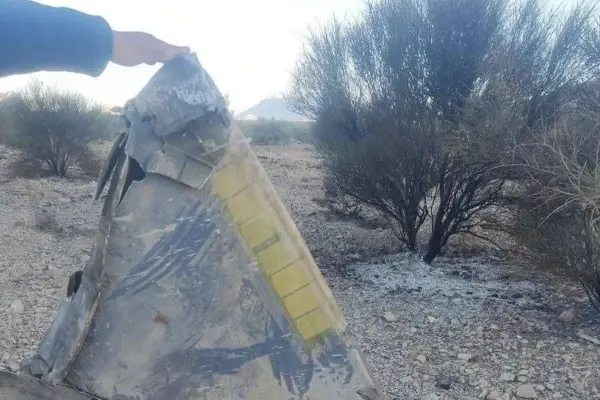
Moreover, Iran’s engagement with militant groups such as Hezbollah and Hamas poses an existential threat to Israeli security. In response, Israel has conducted airstrikes on Iranian military targets in Syria, aiming to disrupt the transfer of arms to these groups.
International Reactions
The international community is closely monitoring the evolving situation. The United States has reaffirmed its commitment to counter Iranian influence in the region while also managing relations with allies including Israel. The European Union’s position remains critical, advocating for diplomatic engagements to avert military confrontations. However, the West’s options are limited as they seek a balance between curbing Iran’s nuclear ambitions and fostering stability.
Conclusion
The Israeli-Iranian conflict exemplifies the larger struggle for power within the Middle East. As both nations continue their strategic maneuvers, the potential for armed conflict looms. Observers agree that without robust international diplomacy, this rivalry could escalate, posing severe risks not just to Israel and Iran, but to the broader Middle East. Moving forward, the question remains whether pragmatic discussions will prevail over military escalation in an increasingly volatile region.
You may also like