Introduction
Leopard sharks, known scientifically as Triakis semifasciata, are a fascinating species that inhabit the coastal waters of the eastern Pacific, particularly along the shores of California. Their mating behaviour is not only crucial for their reproduction but also plays a significant role in maintaining the ecological balance in their habitats. Understanding these behaviours is vital as it aids in the conservation efforts needed for this species, especially given the pressures they face from habitat loss and fishing.
Leopard Shark Mating Behaviour
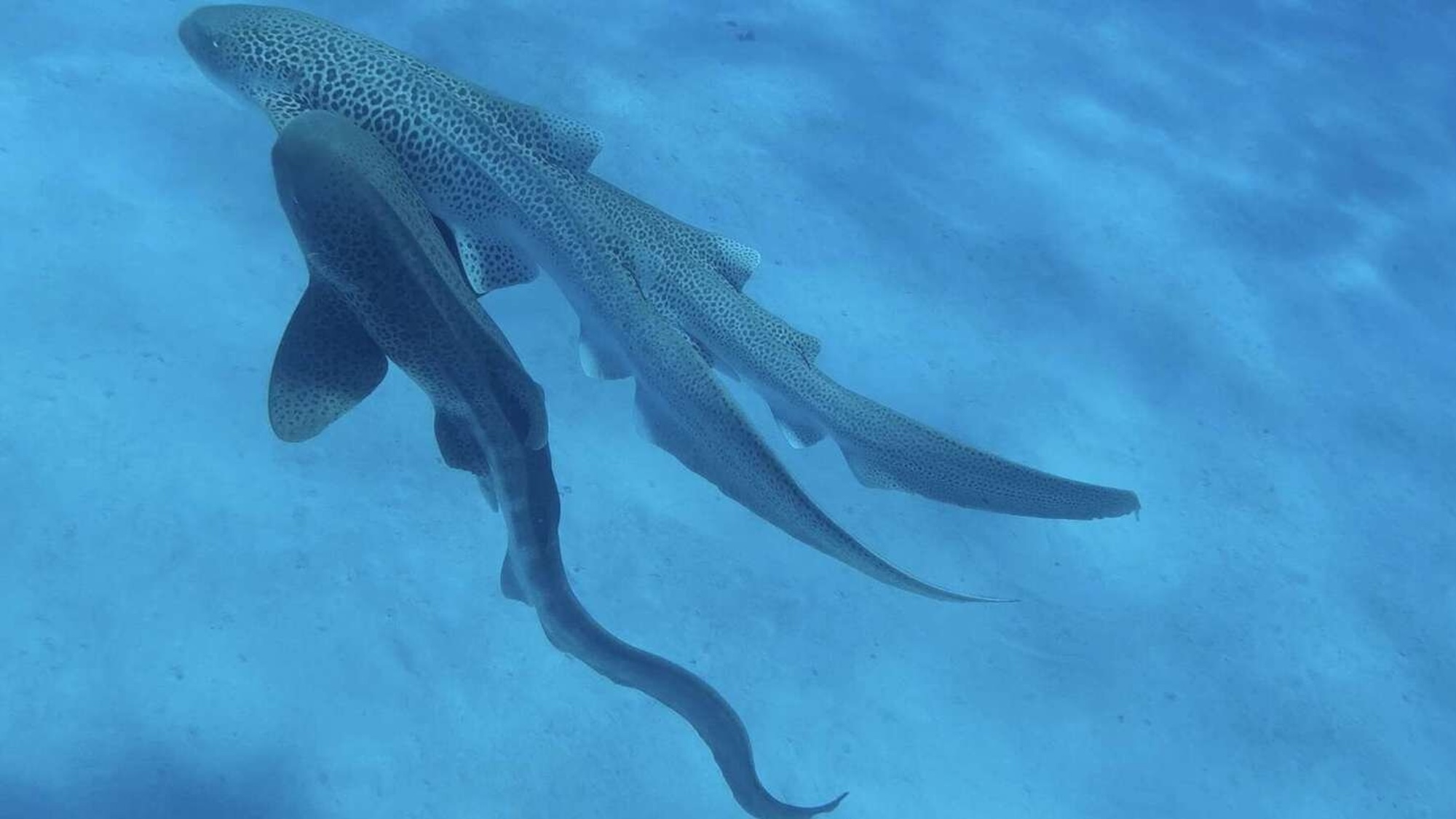
The mating period for leopard sharks typically occurs from late spring to early summer. During this time, males become highly active in search of females. Mating rituals often involve a unique courting display where males use their mouths to grasp the female’s pectoral fin, a process known as ‘copulatory biting.’ This behaviour is critical as it helps ensure successful mating.
After the male and female mate, the female leopard shark can store sperm for several months, allowing for a flexible reproductive strategy. This phenomenon, termed ‘delayed fertilisation,’ enables females to optimise the timing of their births based on environmental conditions.
Current Research and Observations
Recent studies have focused on leopard shark populations in California to understand better their reproductive cycles and tendencies. Marine biologists, including Dr. Liza E. G. Tully from the University of California, have been monitoring the sharks’ behaviour during the mating season. Observations noted not only the rituals but also changes in population dynamics, which can provide insights into the overall health of marine ecosystems.
Additionally, concerns have been raised regarding environmental changes due to climate change and urban development, which might disrupt their mating grounds. These impacts could lead to decreased populations of leopard sharks if they cannot adapt quickly enough to the changes.
Conclusion
The mating behaviour of leopard sharks is an incredibly intricate part of their biology and ecology. As researchers continue to explore and document these behaviours, it becomes increasingly clear that the preservation of their natural habitats is essential. Conservation measures, such as protected marine areas and fishing regulations, will be crucial in ensuring the survival of leopard sharks and the overall health of coastal ecosystems.
By understanding the mating patterns of leopard sharks, we not only contribute to marine biology but also foster a greater appreciation for the biodiversity of our oceans. As studies continue to evolve, it is hoped that a balance can be achieved between human activities and the preservation of these remarkable creatures.
You may also like