Introduction
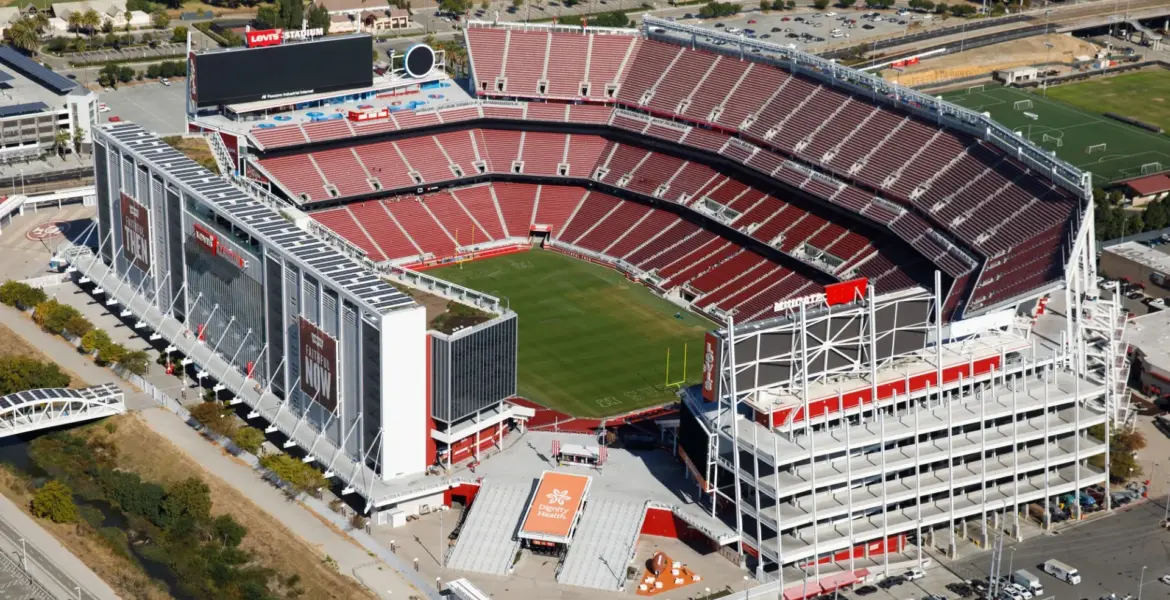
Levi’s Stadium, located in Santa Clara, California, is a state-of-the-art facility that serves as the home of the San Francisco 49ers and hosts various significant events, including concerts and international sports. Understanding the stadium’s capacity is crucial as it impacts event planning, ticket sales, and fan experience. With the capacity set to accommodate around 68,500 spectators, Levi’s Stadium was opened in 2014 and represents a remarkable advancement in stadium design and technology.
Key Facts About Levi’s Stadium Capacity
The seating capacity of Levi’s Stadium is approximately 68,500 for football games, but this number can increase with the inclusion of standing areas during concerts and other events. The stadium was designed to facilitate a range of activities beyond football, and its flexibility is a notable feature. For example, during the Super Bowl 50 held in 2016, the stadium was fully utilized, showcasing its potential to host major sporting events.
Economic Impact of Capacity
The capacity of Levi’s Stadium plays a significant role in its economic influence on the region. Every game day, the influx of fans contributes to local businesses, including restaurants, hotels, and transport services. With a full capacity crowd, the stadium contributes millions of dollars in revenue to the local economy. As one of the largest venues in the area, it stands out not only for its size but also for the events it attracts.
Forecast and Upcoming Events
As we look to the future, Levi’s Stadium is poised to host more high-profile events, including concerts from top artists and international soccer matches. The stadium’s capacity will continue to play a pivotal role in determining the types of events it can host. Sporting events, including college football games and the highly anticipated return of the 49ers, are anticipated to draw large crowds, reinforcing the significance of its capacity.
Conclusion
In conclusion, Levi’s Stadium’s capacity is a vital aspect not only for the operational functionality of the venue but also for its broader economic and cultural impact in the community. As event organisers seek to maximise attendance and give fans an enhanced experience, the stadium’s ability to accommodate large audiences will ensure it remains a focal point in Californian sports and entertainment for years to come.
You may also like