Introduction to Malacia
Malacia refers to the abnormal softening of tissues in the body and is commonly associated with various medical conditions. It is essential to understand malacia as it can impact different organ systems, leading to complications if left untreated. This condition is relevant today, particularly in discussions surrounding respiratory health, given its implications in diseases such as bronchomalacia and tracheomalacia.
Types and Causes
Malacia can occur in various anatomical structures. The most well-known types include:
- Bronchomalacia: This condition involves the softening of the bronchial tubes, which can result in breathing difficulties. It is often seen in infants but can occur in adults due to chronic inflammation or injury.
- Tracheomalacia: This refers to the softening of the trachea, leading to airway obstruction. It can be congenital or arise from external pressure or significant respiratory issues.
- Other Forms: Malacia can also affect other areas such as bones (osteomalacia) and soft tissues in various organs.
Symptoms and Diagnosis
The symptoms of malacia depend on the affected area of the body. In respiratory malacia, patients may experience:
- Chronic cough
- Wheezing
- Recurrent respiratory infections
- Difficulty breathing, especially during physical activity
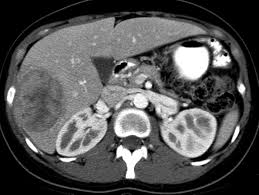
Diagnosis typically involves imaging studies such as bronchoscopy or CT scans to assess the integrity of the airways. In some cases, lung function tests may also be conducted to evaluate breathing effectiveness.
Treatment Options
Managing malacia often requires a multidisciplinary approach:
- Observation: In mild cases, especially in infants, careful monitoring may suffice as many children outgrow the condition.
- Medications: Anti-inflammatory drugs or bronchodilators can help alleviate symptoms by reducing airway inflammation.
- Surgery: In severe cases, surgical procedures might be necessary to reinforce the airway and prevent collapse during breathing.
Conclusion
Malacia is a significant medical condition with diverse implications for patient health, especially in respiratory contexts. Understanding its types, symptoms, and treatment options is crucial for patients and healthcare professionals alike. As research progresses, future developments may lead to enhanced treatments and interventions, improving the quality of life for those affected. Awareness and early diagnosis are key factors in effectively managing this condition.
You may also like