Introduction to MCL Injury
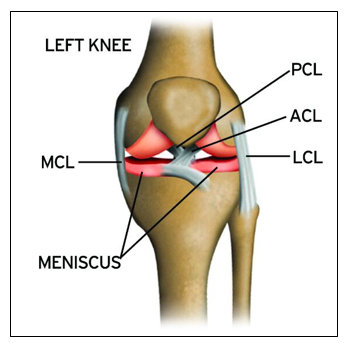
The medial collateral ligament (MCL) is a crucial component of knee stability, playing a significant role in keeping the knee joint stable during movement. MCL injuries are prevalent among athletes engaging in high-impact sports, particularly during pivoting motions, which can lead to sprains or tears. As sports-related injuries continue to rise, understanding MCL injuries becomes increasingly important for both prevention and effective treatment.
Causes and Symptoms of MCL Injury
MCL injuries can result from various sources, typically due to trauma to the outer part of the knee that places undue stress on the ligament. This often occurs in sports like football, basketball, and skiing. Common mechanisms of injury include direct blows to the knee or awkward landing after jumping.
The severity of an MCL injury is classified into three grades: a mild strain or sprain (Grade I), a partial tear (Grade II), and a complete tear (Grade III). Symptoms may vary based on the severity but generally include swelling, pain on the inner side of the knee, instability, and difficulty bearing weight.
Treatment and Recovery
For most Grade I and II MCL injuries, treatment typically involves rest, ice, compression, and elevation (RICE), alongside over-the-counter pain relief, such as ibuprofen. Physical therapy may be recommended to restore strength and flexibility to the knee. Most patients can expect a full recovery within a few weeks to a few months, depending on the injury’s extent.
However, in cases of complete MCL tears, surgical intervention may be necessary. Surgical options can include ligament reconstruction, which aims to restore knee stability. Post-surgery, patients generally undergo a more extensive rehabilitation process to ensure proper healing and to regain strength before returning to sports activities.
Conclusion
MCL injuries are significant concerns for athletes and active individuals, given their impact on mobility and athletic performance. Understanding the risk factors, recognizing symptoms, and knowing appropriate treatment options are vital. With a focus on preventive measures and timely intervention, individuals can effectively manage MCL injuries, ensuring a quicker and more successful return to their sporting activities. As sports medicine continues to advance, efforts towards better rehabilitation protocols promise enhanced outcomes for those affected!
You may also like